Table of contents
Embark on a Parisian adventure where your stay aligns with sustainable values. Eco-friendly accommodations in Paris offer an elegant blend of comfort, responsible practices, and a green conscience. Discover how to identify these hidden gems and make a positive impact during your visit to the City of Lights by exploring the strategies and technical details in the paragraphs below.
Researching eco-labels and certifications for hotels
When seeking out eco-friendly accommodations in Paris, starting with reputable eco-labels and certifications streamlines the search for genuinely sustainable hotels. Recognized certifications such as Green Key, EU Ecolabel, and LEED serve as reliable references, since these labels are only awarded after thorough third-party assessments. Each of these certifications focuses on a range of environmental standards, evaluating hotels on criteria like energy usage, resource efficiency, and their broader environmental policies. For example, the Green Key program assesses water and energy conservation measures, while LEED (Leadership in Energy and Environmental Design) emphasizes green building design, material selection, and indoor environmental quality.
Eco-labels are not mere marketing tools—they signify ongoing compliance with strict benchmarks. A hotel certified under the EU Ecolabel, for instance, must maintain targets for reducing energy and water consumption, limiting single-use plastics, and using environmentally friendly cleaning products. Technical terms such as energy-efficient lighting, low-flow water fixtures, and waste separation systems frequently appear in these certification criteria. The presence of such terms in a hotel's description or certificate assures guests that the establishment has implemented tangible, measurable sustainability practices rather than superficial green initiatives.
Identifying these certifications when researching hotels in Paris acts as a shortcut for travelers dedicated to minimizing their environmental footprint. Rather than sifting through vague claims, travelers can look for certification logos on hotel websites or booking platforms, knowing these marks represent an independent evaluation. These credentials highlight a hotel’s commitment to ongoing improvements, not just one-off projects. Travelers wanting to support responsible tourism can trust that certified accommodations uphold values of energy efficiency, waste reduction, and water conservation, all of which contribute to a more sustainable stay in the French capital.
Evaluating energy conservation and renewable sourcing
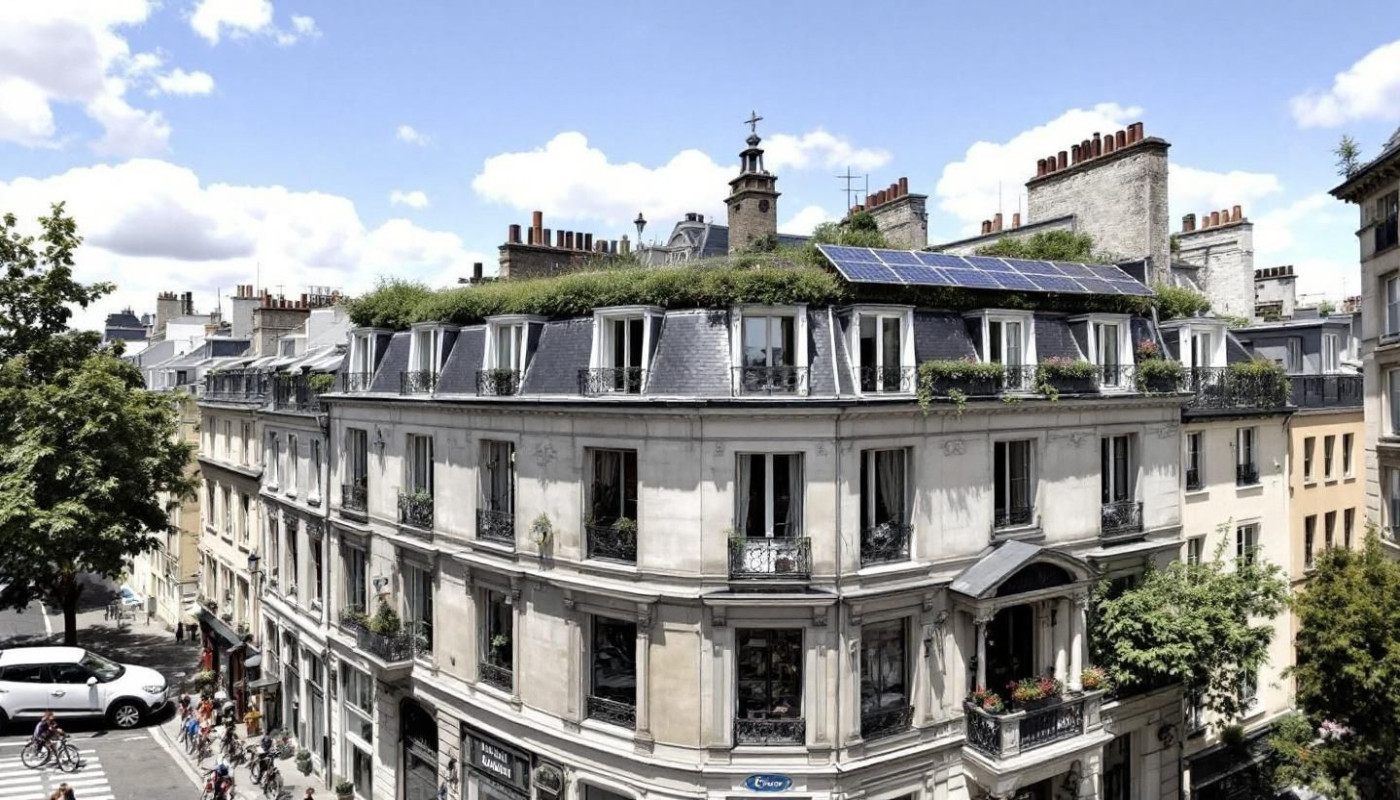
When searching for environmentally responsible accommodations in Paris, discerning travelers are encouraged to investigate whether a property incorporates renewable energy solutions, such as photovoltaic solar panels on rooftops or purchases certified green electricity from local providers. Guests can look out for clear mentions of renewable energy commitments on hotel websites or request evidence, such as green certification labels or energy mix documentation, to ensure genuine practices. Energy-efficient systems, including LED lighting, occupancy-based motion sensors, and advanced HVAC units with inverter technology, play a transformative role in minimizing unnecessary power consumption. To go deeper, assess whether the establishment employs high-performance insulation materials and double-glazed windows—these features significantly reduce thermal losses and enhance energy conservation, directly influencing a hotel’s sustainability metrics. During inquiries, useful keywords include “renewable sourcing,” “energy recovery,” “triple glazing,” and “passive design,” while direct questions about energy usage dashboards or annual energy audits can provide additional transparency.
Evaluating a property’s energy profile extends beyond superficial claims; it demands a critical look at how deeply integrated energy conservation technologies are into daily operations. The presence of building management systems that monitor and adjust energy usage in real time, as well as visible efforts to electrify heating and cooling through heat pumps or geothermal solutions, further reflects a property’s dedication to carbon reduction. When considering where to stay, options such as the Urban Bivouac Hotel in Paris stand out for their convenient location, contemporary amenities, and reputation for offering superb value, all while providing guests an opportunity to support sustainable hospitality. To make informed choices, potential visitors should not hesitate to request detailed breakdowns of energy performance and sustainability achievements, enabling a stay that aligns with both personal comfort and environmental priorities.
Analyzing water-saving measures and waste reduction
When choosing eco-friendly accommodations in Paris, water conservation stands out as a key element of genuine sustainability. Many hotels now install low-flow faucets and showerheads, significantly lowering water consumption without sacrificing guest comfort. Dual-flush toilets also play a role by offering varied water use options depending on need, helping to minimize unnecessary waste. Some properties go even further with rainwater harvesting systems, collecting rainfall for use in gardens or for flushing toilets, effectively reducing reliance on the municipal supply and lessening environmental impact.
Modern eco-conscious hotels often implement greywater reuse, where lightly used water from sinks or showers is treated and redirected for non-potable purposes such as irrigation or toilet flushing. This system can dramatically decrease daily water usage, conserving precious resources in urban environments. Such practices are not just environmentally progressive; they demonstrate an ongoing commitment to sustainable hospitality, and often result in lower operating costs, which can be reinvested in further green initiatives.
Waste reduction is another pillar of environmentally responsible hospitality in Paris. Leading hotels provide clearly marked recycling stations throughout their properties, making it easy for guests to separate paper, plastics, and glass. Composting organic waste from kitchens and dining areas diverts food scraps from landfills, and supports the creation of nutrient-rich soil either onsite or through local partners. A visible effort to reduce single-use plastics—such as bulk amenity dispensers in bathrooms and reusable dining ware—reflects industry trends toward zero-waste operations, which aim to eliminate landfill contributions altogether.
Travelers seeking sustainable stays should actively search for mentions of these practices in hotel descriptions, sustainability certifications, and guest reviews. Phrases like rainwater harvesting, greywater reuse, or zero-waste initiative are indicators of genuine effort rather than greenwashing. Observing guest feedback about visible recycling options or effective water-saving features can provide extra assurance. By prioritizing accommodations that practice these waste and water management strategies, visitors to Paris support the shift towards more responsible tourism and contribute to the preservation of the city’s resources.
Examining sourcing and support of local, organic materials
When seeking eco-friendly accommodations in Paris, focus on hotels that transparently promote their use of local and organic products, whether in their restaurants or room amenities. Look for establishments featuring farm-to-table dining, where menus highlight ingredients sourced from nearby farms or Parisian markets. Such venues often mention their partnerships with organic producers or display certifications from recognized organizations, signaling a genuine dedication to both sustainability and freshness. In guest rooms, amenities such as organic cotton linens, biodegradable toiletries, and natural fiber towels are clear indicators that a hotel is prioritizing eco-consciousness in its everyday operations.
Pay attention to the materials used throughout the hotel, as sourcing locally quarried stone, reclaimed wood, or regionally produced furniture reduces transportation-related emissions and supports Parisian artisans. Many green-certified hotels will showcase their choices of eco-friendly construction and decor, emphasizing natural insulation, non-toxic paints, and fair-trade certified textiles in their marketing materials or guest information. This transparency not only reflects their environmental values but also ensures guests enjoy a healthier indoor environment, free from unnecessary chemicals or synthetic fragrances.
Opting for accommodations that actively partner with local suppliers provides meaningful benefits both for travelers and the surrounding community. By supporting businesses that prioritize local procurement, guests help strengthen community resilience and stimulate the Parisian economy while ensuring their stay leaves a lighter carbon footprint. Such practices empower hotels to offer unique, seasonally inspired experiences, from artisanal breakfast spreads to handcrafted amenities, enriching each guest’s connection to the city’s culture. In making these mindful choices, travelers become part of a movement that values environmental stewardship and social responsibility in one of the world’s most visited destinations.
Assessing sustainable mobility and guest engagement
When evaluating eco-friendly accommodations in Paris, green transportation options play a significant role in lowering a traveler’s environmental footprint. Many hotels now offer bicycle rentals, allowing guests to explore the city’s neighborhoods at a leisurely pace while minimizing emissions. Electric vehicle charging stations are increasingly available, supporting those who drive hybrid or electric cars. Proximity to the Paris Metro and bus lines is also a key consideration; easy access to public transit enables guests to embrace a multimodal transport approach, seamlessly combining walking, cycling, and public transportation to navigate the city more sustainably.
Guest participation in sustainability efforts has become a hallmark of truly eco-conscious properties. Hotels often implement initiatives such as towel and linen reuse campaigns, inviting guests to opt out of daily changes to conserve water and energy. Environmental awareness workshops are sometimes offered, providing guests with hands-on experiences or seminars about local ecology, recycling practices, or climate action. These activities go beyond passive measures, turning the stay into an educational opportunity and fostering a sense of shared responsibility between guests and hosts.
Technical concepts such as carbon offset schemes—programs that allow hotels and guests to compensate for their carbon emissions, often through reforestation or renewable energy projects—are frequently embraced by sustainable accommodations. Eco-tourism activities, which prioritize environmental preservation and positive community impact, may include organized walking tours, visits to urban gardens, or volunteer opportunities. Travelers are encouraged to look for hotels that not only offer these practical options but also actively engage guests in shaping a greener future, ensuring that the choice of accommodation aligns with personal values and leaves a lighter footprint on the vibrant city of Paris.
On the same subject

Step Into Digital Nomadism: How To Make Money Online? From Bali To Berlin
Step Inside A Hotel In Paris Where Heritage Meets Tomorrow’s Trends
Hotel In Paris: Where Design Meets History In The City Of Light

Hotel In Paris And The Silent Revolution Of Sustainable Design

Hotel In Paris: Where Old-world Elegance Meets Modern Traveler Demands

Hotel In Paris Guests Are Redefining City Escapes—here’s What They Want Now

Hotel In Paris: Reinventing The Art Of Urban Hospitality

Exploring Sustainable Travel Options For Your Next Hotel Stay In Paris

How To Discover Hidden Gems Among Hotels In Paris?

Exploring Eco-friendly Options For Staying At A Hotel In Paris

A Guide To Finding Family-friendly Accommodations In Paris

Exploring Unique Boutique Hotel Experiences In Paris

Exploring Unique Museums: How Themed Attractions Can Boost Local Tourism

Undiscovered Gems: Exploring the Hidden Corners of Eastern Europe
