
Table of contents
Paris, the city of lights, now shines brighter with a green glow as eco-friendly travel becomes a top priority for many visitors. Today’s discerning traveler seeks out environmentally responsible accommodations, aiming for a memorable stay that treads lightly on the planet. Discover the innovative practices, sustainable design choices, and mindful guest experiences shaping the future of hospitality in a Hotel in Paris—your journey toward a greener getaway starts here.
Eco-conscious architecture and sustainable materials
Many hotels in Paris are redefining their approach to hospitality by adopting architectural designs rooted in ecological principles, blending innovation with respect for the environment. Structures are often erected using renewable resources such as bamboo, rapidly replenished wood, or locally-sourced stone, which helps reduce transport emissions and supports regional economies. Recycled glass, reclaimed metal, and repurposed timber are gaining popularity for use in both the façade and interior elements, fostering circularity in construction. Enhanced insulation made from natural fibers, like hemp or sheep’s wool, keeps buildings energy efficient by maintaining interior temperatures regardless of the weather outside.
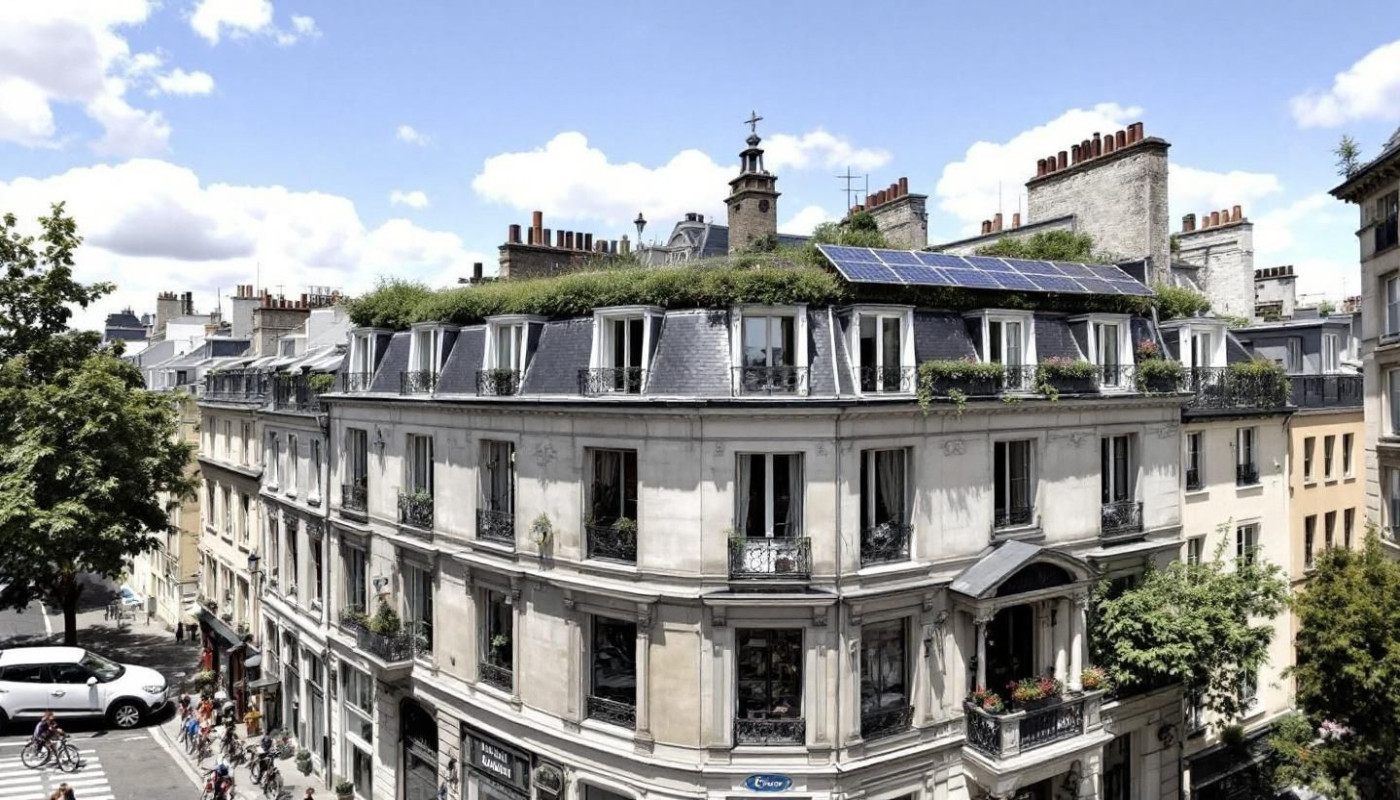
Low-impact building techniques are integrated from the ground up, minimizing disruption to the urban landscape and preserving existing vegetation wherever feasible. This approach can include modular construction, which generates less waste and allows for precise resource allocation, as well as green roofs that not only insulate the building but also foster biodiversity within the city. Solar panels discreetly mounted atop these eco-conscious hotels capture renewable energy from the Parisian sun, lessening reliance on fossil fuels and shrinking carbon emissions associated with day-to-day operations.
Rainwater harvesting systems are incorporated to collect and filter water for uses such as garden irrigation and flushing toilets, substantially curbing potable water consumption. Such features work in tandem with energy-efficient LED lighting, motion-sensor systems, and intelligent climate control to further enhance a hotel’s commitment to sustainability. The cumulative effect of these technologies is a tangible reduction in the property’s environmental footprint, setting a high standard for responsible travel while ensuring guest comfort.
Architectural innovation is carefully balanced with the city’s renowned aesthetic, so that sustainability complements rather than competes with Parisian charm. Interior design favors natural finishes, daylighting, and plant life, creating serene spaces that echo the rhythms of the surrounding metropolis. Exemplifying this thoughtful approach, the Urban Bivouac Hotel in Paris distinguishes itself with its advantageous location, contemporary amenities, and remarkable value, all while maintaining a deep commitment to sustainable design and resource stewardship.
Energy management and smart technology
Parisian hotels leading the way in sustainability have embraced state-of-the-art energy management systems designed to maximize resource efficiency. These systems typically integrate smart controls that monitor and adjust energy use in real time, ensuring that lighting, heating, and cooling are precisely tailored to actual needs. For example, LED lighting not only delivers superior illumination but operates with a fraction of the energy required by traditional bulbs. When combined with automated temperature regulation, these technologies create an environment that is both comfortable for guests and low-impact on the planet.
Hotels often deploy occupancy sensors in guest rooms and communal spaces, allowing lighting and climate control systems to respond instantly to presence or absence. This means that when a guest leaves a room, lights automatically switch off and heating or air conditioning adjusts to energy-saving settings. Such innovations prevent energy from being wasted on unoccupied spaces, an approach that can significantly reduce a building's overall carbon footprint. Smart systems also provide centralized monitoring, allowing hotel managers to identify inefficiencies and make improvements quickly, further enhancing environmental performance.
The integration of these advanced technologies delivers clear benefits for both the environment and hotel guests. Energy consumption can drop dramatically while maintaining, or even improving, the comfort expected by modern travelers. Guests may notice subtle touches, such as rooms that always feel just right without manual adjustments, or hallways that gently illuminate as they walk through. These behind-the-scenes innovations reflect a commitment to sustainability that does not compromise quality, offering travelers the satisfaction of knowing their stay supports a greener future while enjoying an effortlessly pleasant experience.
Water conservation and waste reduction practices
Hotels in Paris are increasingly embracing innovative approaches to conserve water and cut down on waste, reshaping the guest experience while safeguarding the environment. Many properties have begun installing low-flow fixtures, such as showerheads and faucets, which significantly reduce water usage without compromising comfort. Some forward-thinking hotels even feature waterless toilets and advanced greywater recycling systems; the latter collect and treat water from sinks and showers for reuse in garden irrigation or toilet flushing. These technologies not only save vast amounts of water annually but also demonstrate a hotel’s proactive stance on responsible resource management.
Efforts to reduce waste are equally robust, with a strong focus on minimizing single-use plastics by providing amenities in refillable dispensers and replacing plastic bottles with glass or filtered water stations. Composting initiatives transform kitchen scraps and organic waste into nutrient-rich soil, often used for on-site gardens or donated to community projects. Comprehensive recycling programs ensure that guests have access to clearly marked bins for sorting paper, glass, and metals throughout the property, from lobbies to guest rooms. These strategies foster a culture of environmental responsibility, encouraging both staff and guests to play an active role in conserving resources and decreasing contributions to landfills during their stay.
Locally sourced food and eco-friendly dining
Hotels in Paris that are committed to sustainability often showcase an impressive dedication to locally sourced food and organic ingredients. Menus are thoughtfully curated to highlight seasonal produce from nearby farms, supporting regional growers while delivering peak freshness and flavor to guests. Dishes may feature responsibly harvested seafood, ensuring marine resources are protected, and fair-trade coffee is commonly served, prioritizing ethical sourcing practices that benefit both the planet and farming communities. These culinary choices are not limited to the plate; many establishments extend their efforts to the kitchen and beyond by incorporating biodegradable packaging and championing zero-waste initiatives.
Plant-based options are increasingly prominent, offering guests diverse choices that appeal to both health-conscious diners and those seeking to reduce their environmental footprint. Chefs employ creative approaches to minimize food waste, such as repurposing vegetable trimmings into flavorful stocks or utilizing imperfect produce in inventive recipes. These practices not only lower the establishment’s carbon footprint but also stimulate the local economy by fostering relationships with area suppliers. At the same time, guests benefit from a richer, more authentic dining experience that reflects the unique character of the Parisian food scene while aligning with environmentally responsible values.
Guest engagement in sustainable initiatives
Staying at a hotel in Paris can go beyond comfort and culture by offering guests the opportunity to actively support sustainability. Many accommodations invite travelers to participate in linen and towel reuse programs, which significantly cut down on water and energy consumption typically associated with daily laundering. In-room recycling bins allow visitors to sort plastics, glass, and paper, seamlessly integrating eco-friendly habits into their routines. Some hotels also provide digital check-in and check-out options, reducing the need for printed paper and streamlining the arrival and departure process.
To foster a deeper understanding of environmental responsibility, hotels often supply educational materials in guest rooms or communal areas. These might include guides on proper recycling, energy conservation tips, or information about the hotel's green initiatives. Guided eco-tours, led by knowledgeable staff or local experts, introduce guests to the city’s green spaces, sustainable eateries, and unique biodiversity, making sustainability an engaging part of their Parisian experience. By learning about urban gardens, river clean-up projects, or the history of Parisian environmental movements, guests gain fresh perspectives while exploring the city.
Partnerships with local environmental organizations further amplify the impact of these efforts. Some hotels collaborate with nonprofits to offer workshops or volunteer opportunities, enabling guests to participate directly in tree planting, neighborhood clean-ups, or urban farming. These collaborations create meaningful connections between visitors and the local community, transforming the stay into a chance for personal growth and contribution. By supporting these initiatives, guests not only reduce their own environmental footprint but also become part of a wider movement towards a greener, more sustainable Paris.
On the same subject

Step Into Digital Nomadism: How To Make Money Online? From Bali To Berlin
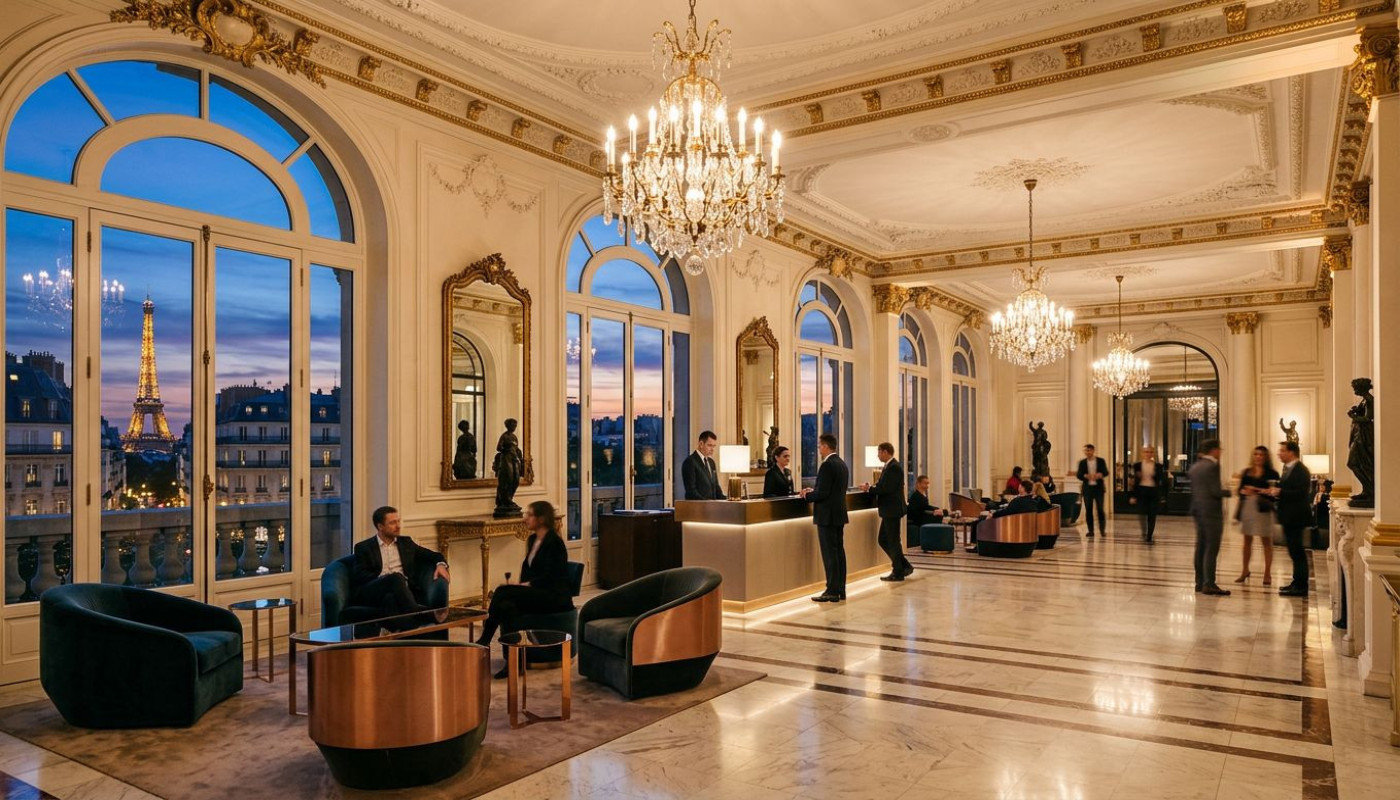
Step Inside A Hotel In Paris Where Heritage Meets Tomorrow’s Trends
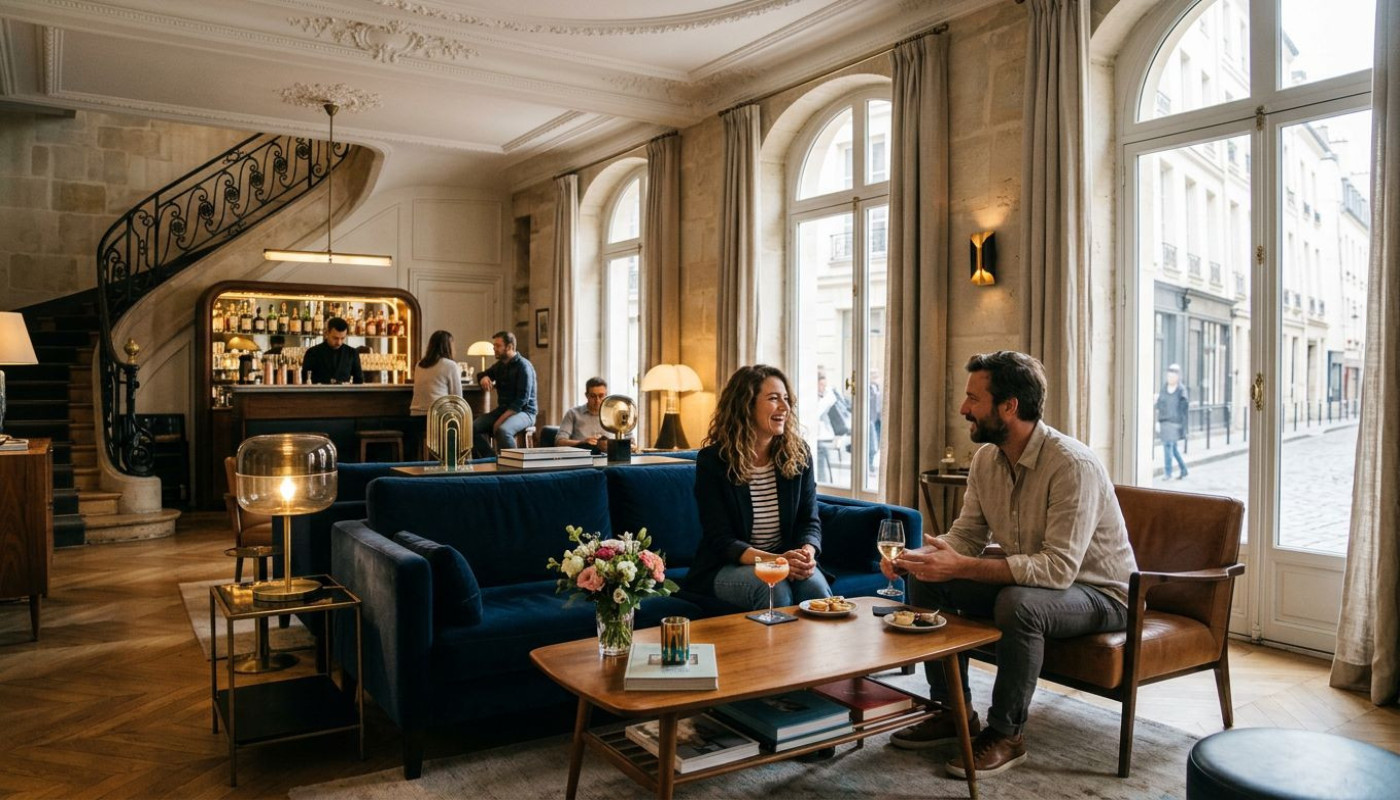
Hotel In Paris: Where Design Meets History In The City Of Light

Hotel In Paris And The Silent Revolution Of Sustainable Design
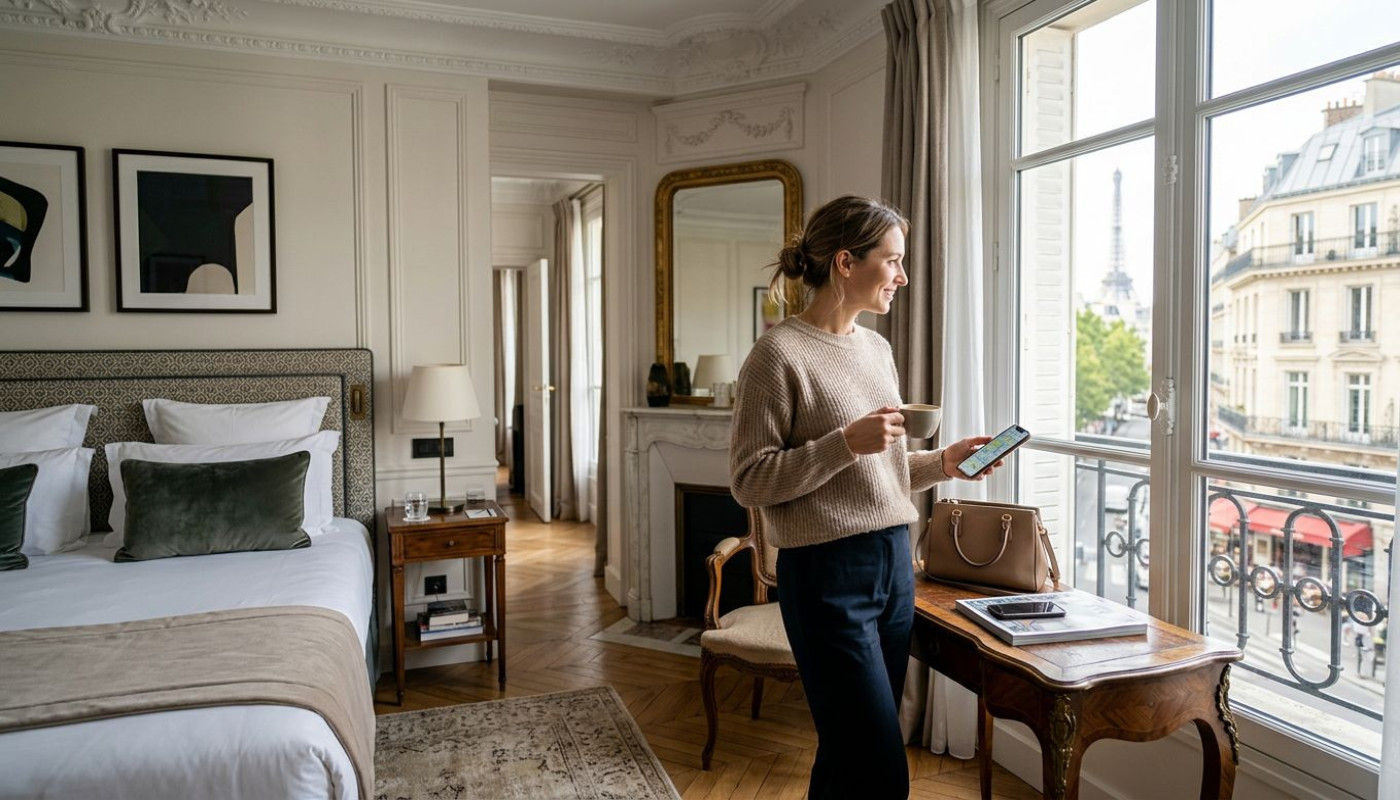
Hotel In Paris: Where Old-world Elegance Meets Modern Traveler Demands

Hotel In Paris Guests Are Redefining City Escapes—here’s What They Want Now
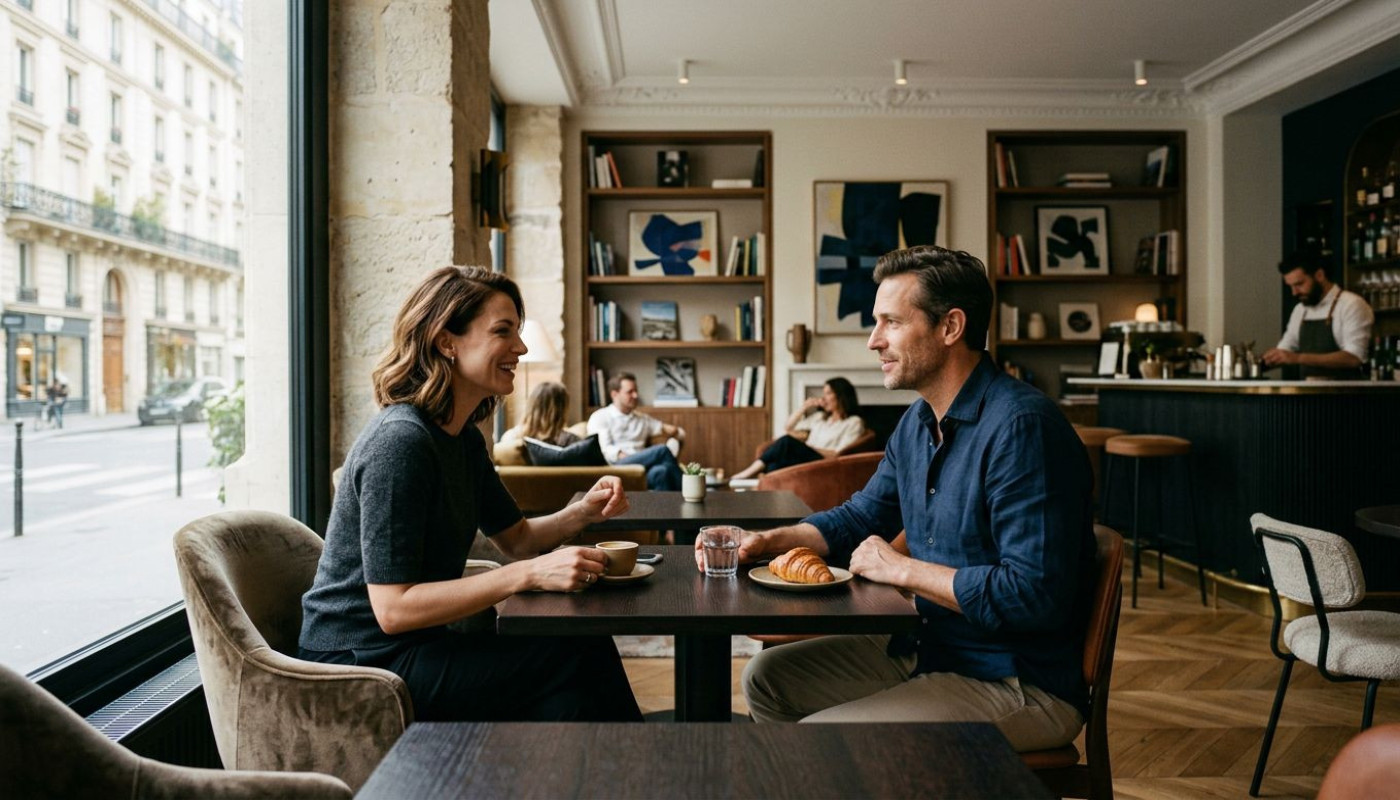
Hotel In Paris: Reinventing The Art Of Urban Hospitality

Exploring Sustainable Travel Options For Your Next Hotel Stay In Paris

How To Discover Hidden Gems Among Hotels In Paris?
How To Find Eco-friendly Accommodations In Paris
A Guide To Finding Family-friendly Accommodations In Paris

Exploring Unique Boutique Hotel Experiences In Paris

Exploring Unique Museums: How Themed Attractions Can Boost Local Tourism

Undiscovered Gems: Exploring the Hidden Corners of Eastern Europe
