Table of contents
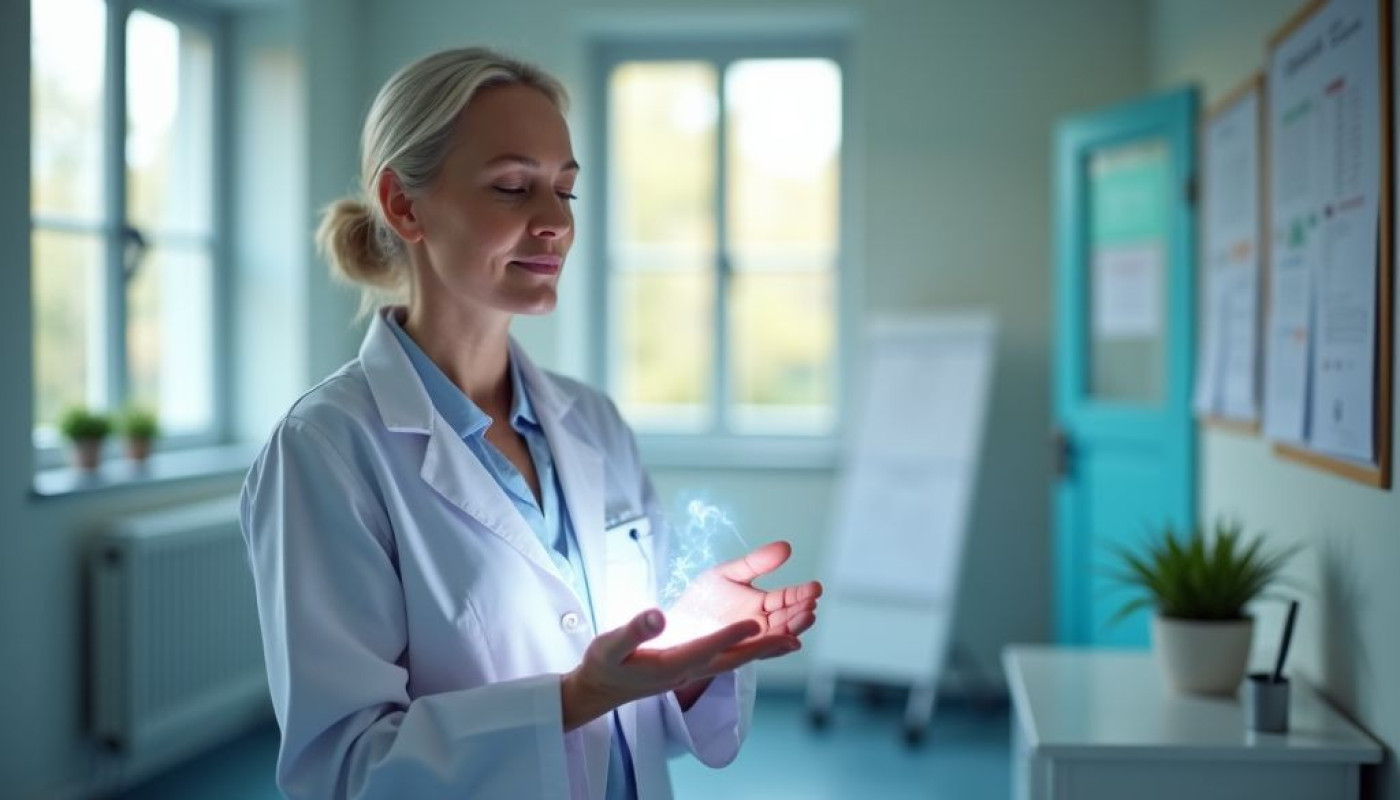
In recent years, the healthcare landscape has seen an intriguing convergence of conventional medicine and alternative modalities, sparking curiosity about the potential benefits of integrating unconventional approaches. Among these, medical intuitives have emerged as a fascinating topic, captivating both practitioners and patients seeking complementary pathways to wellness. Explore how these professionals can work alongside traditional healthcare providers to offer a more holistic experience—one that may illuminate aspects of health often overlooked by standard diagnostics.
The foundation of medical intuition in wellness
Medical intuition has roots that extend into ancient healing traditions, where healers were believed to sense disturbances in a person’s energy or spirit. Today, medical intuitives describe their work as an evolved practice that blends awareness of the body’s physical, emotional, and energetic systems. Practitioners claim to use heightened intuitive perception, often described as a form of inner knowing or gut feeling, to identify imbalances or blockages within the body. This approach is underpinned by the notion that the body emits subtle information, or energetic signals, which can be perceived and interpreted by those trained in specific techniques.
A typical session with a medical intuitive may involve processes such as energy scanning, where the practitioner focuses attention on the client’s biofield—a term used to describe the complex field of energy thought to surround and permeate the body. Through biofield analysis, the practitioner is said to detect areas where energy flows seem disrupted. Medical intuitives also rely on somatic perception, paying close attention to bodily sensations or intuitive impressions that arise during their assessment. These methods often involve guided visualization, deep listening, and meditative focus, all aimed at uncovering information that may not be readily apparent through conventional medical tests.
Unlike laboratory diagnostics or imaging technologies that rely on physical evidence, medical intuition emphasizes subjective internal awareness and energetic mapping. While these approaches may seem abstract, there is a growing body of interest within integrative health research investigating the interplay between intuition and well-being. For instance, some studies explore how practitioner intuition might aid in patient care, while others investigate the impact of focused attention on healing outcomes. This evolving interface encourages an open-minded inquiry into the ways intuitive insight could complement and enrich traditional healthcare, supporting a more holistic view of individual wellness.
Bridging the gap with conventional medicine
Collaboration between medical intuitives and healthcare professionals is reshaping patient care by merging traditional diagnostic methods with non-traditional perspectives. In multidisciplinary rounds and integrative care conferences, medical intuitives may offer subtle observations about a patient’s underlying stressors, emotional blocks, or overlooked symptoms, informing practitioners’ differential diagnoses and treatment strategies. For instance, a physician might notice chronic pain in a patient without clear pathology; an intuitive’s input regarding potential psychosomatic contributors can prompt further psychosocial assessment or targeted referrals. This approach not only broadens the lens for evaluating complex conditions but can also encourage more thoughtful communication between caregivers, ultimately enriching the patient’s experience within the healthcare system.
Integrating the perspectives of medical intuitives into conventional settings brings an opportunity for more holistic evaluation while underscoring the necessity of maintaining rigorous, evidence-based standards. By engaging intuitives in collaborative environments, such as case reviews or joint treatment planning, clinicians can access supplementary insights that may shed light on persistent or ambiguous medical challenges. The website https://www.medical-intuitive.org provides a valuable resource for those seeking practitioners—whether searching for medical intuitive near me, medical intuitive Spokane, or intuitive Washington DC—who are adept at working alongside licensed professionals to support individualized care. The practice of inviting intuitive viewpoints, when carefully balanced with clinical expertise, can foster creative problem-solving while ensuring that patient safety and scientific integrity remain central priorities.
Methods and tools used by medical intuitives
Medical intuitives utilize a range of specialized techniques designed to perceive subtle information about a person’s physical and energetic health. One primary method is intuitive body scanning, where the practitioner focuses attention on specific regions of the body, often using guided visualization to detect imbalances or disruptions. This can involve mentally "sweeping" through organs and tissues to discern sensations, images, or impressions that point toward areas of concern. While rooted in intuition, this process is frequently combined with meditative states to heighten awareness and filter out distractions, supporting greater accuracy.
Chakra assessment forms another key aspect of a medical intuitive’s toolkit. Drawing from traditions in Eastern medicine, this method involves evaluating the energy flow and vitality of the body’s chakra centers. Practitioners may sense these subtle energy points through feeling, visualization, or even empathic resonance. By identifying blockages or irregularities in the chakras, they aim to correlate energetic disturbances with potential emotional or physical issues. This approach is sometimes paired with psychoenergetic mapping, which involves charting patterns between mind, emotion, and physical symptoms in order to uncover root causes of illness that conventional diagnostics might overlook.
To enhance these core techniques, medical intuitives frequently employ guided visualization practices, inviting clients to participate in imagery exercises that reveal subconscious beliefs or stressors influencing health. Meditative states serve both to calm the practitioner’s mind and to create a receptive environment in which intuitive perception can flourish. Techniques such as breathwork, focused attention, and energy attunement are often integral, supporting the practitioner’s ability to access deeper layers of awareness. This blend of inner focus and structured technique distinguishes medical intuitive work from casual guesswork or ungrounded speculation.
Reliable practice in this field demands disciplined training and adherence to established ethical guidelines, especially when working within or alongside traditional clinical settings. Many successful medical intuitives engage in ongoing professional development, staying informed about relevant research in mind-body medicine and continually refining their skills through mentorship and peer supervision. Ethical considerations include maintaining client confidentiality, obtaining informed consent, and recognizing the boundaries between intuitive insights and medical advice. By upholding rigorous standards, medical intuitives strive to offer consistent, trustworthy support that complements conventional healthcare approaches.
Patient experiences and outcomes
Individuals who have sought guidance from medical intuitives frequently report increased self-awareness and a deeper understanding of their own bodies. Many share stories of identifying emotional patterns or underlying stressors that had previously gone unnoticed during conventional medical appointments. For instance, some patients describe how insights from a medical intuitive led them to pursue alternative therapies, make lifestyle adjustments, or facilitate meaningful discussions with their primary healthcare providers. These accounts often mention an improved sense of agency, as patients feel more empowered to participate actively in decisions about their wellness journey.
Case studies and patient testimonials often illustrate how medical intuitives have contributed complementary perspectives that inform or refine traditional treatment plans. While some individuals attribute symptom relief and emotional healing to these encounters, it is necessary to consider the influence of placebo effects and the therapeutic relationship itself. A strong sense of rapport and trust between patient and intuitive may encourage openness and sustained engagement with health-promoting behaviors. On the other hand, outcomes can be highly subjective and may not always be replicable. These factors highlight the need for thoughtful integration and clear communication between all members of a patient’s healthcare team to maximize benefits without displacing evidence-based medical care.
Future directions and research opportunities
Integrating medical intuitives into mainstream healthcare presents a distinctive set of challenges that require thoughtful consideration. One of the foremost obstacles remains the need for rigorous scientific validation of intuitive methods, as many practitioners rely on subjective experiences that do not always align with conventional diagnostic standards. The absence of universally accepted protocols makes it difficult for healthcare systems to evaluate outcomes and ensure patient safety. Additionally, the landscape is complicated by regulatory questions, since licensing and credentialing frameworks have yet to catch up with the demand for oversight in this emerging field. Educational institutions also face hurdles in developing interdisciplinary curricula that bridge intuitive practices with established medical science, often resulting in gaps in practitioner training and public understanding.
Research initiatives are gaining momentum, with teams investigating both the efficacy and underlying mechanisms of intuitive assessment. Some studies utilize controlled environments to observe correlations between intuitive insights and clinical findings, while others employ neuroimaging to explore potential cognitive and physiological bases for intuitive perception. There is a growing interest in developing standardized assessment tools that could help quantify the reliability and reproducibility of intuitive impressions. Pilot programs in integrative clinics frequently pair intuitive consultations with evidence-based medicine, collecting data on patient satisfaction and diagnostic accuracy to inform future guidelines. Such research not only seeks to validate intuition’s role but also aims to uncover its limitations and optimal use cases.
Expanding the role of medical intuition should be viewed as part of the broader shift towards personalized and integrative medicine. Combining intuitive insights with established medical diagnostics has the potential to enhance patient-centered care, fostering deeper engagement between patients and practitioners. As the healthcare landscape becomes more receptive to holistic approaches, ongoing collaboration among clinicians, researchers, and regulatory bodies will be necessary to establish best practices and ethical standards. Readers are encouraged to follow this evolving field, remain open to interdisciplinary dialogue, and support research efforts that seek to clarify the real-world applications and boundaries of medical intuition in improving health outcomes.
On the same subject

How Legal Defense Strategies Adapt Under Political Persecution Pressure
Case Studies On The Impact Of Medical Intuitives On Patient Recovery
The Science Behind The Effectiveness Of Medical Intuitives

Exploring The Role Of Medical Intuitives In Holistic Health Practices
How Can Medical Intuitives Complement Traditional Healthcare?

How Medical Intuitives Are Shaping The Future Of Holistic Health Care

How Medical Intuitives Contribute To Holistic Treatment Approaches

Exploring The Rise Of Medical Intuitives In Modern Healthcare

Exploring The Role Of Medical Intuitives In Modern Healthcare

Exploring How Medical Intuitives Contribute To Holistic Health Practices

Understanding The Training And Skills Behind Effective Medical Intuitives

Exploring The Ethical Boundaries Of Cheating Wife Investigations

Exploring the Mysteries of the Deep Sea
