
Table of contents
In recent years, a growing movement has captured the curiosity of both patients and healthcare professionals: the emergence of medical intuitives within modern healthcare landscapes. Rooted in the belief that intuitive insights can complement traditional diagnostics, these practitioners are stirring discussions across clinics and wellness communities. Discover how the integration of intuitive assessment, energy healing, and holistic health perspectives is challenging conventional approaches, and explore whether this trend holds real potential or simply fuels debate.
The origins and development of medical intuitives
Medical intuitives trace their lineage to ancient healing traditions where intuitive assessment and spiritual insight played pivotal roles in diagnosing and treating illness. In many early societies—such as those practicing Traditional Chinese Medicine or Ayurveda—healers routinely integrated a blend of sensory observation, energetic perception, and instinctive judgment. Practices like laying on of hands, interpreting subtle shifts in the biofield, or using shamanic rituals reflected a holistic health paradigm that considered the mind, body, and spirit as intrinsically connected. These approaches were not merely speculative but were grounded in longstanding systems that valued the healer’s attunement to nuances often overlooked by conventional observation.
As Western medicine advanced, particularly during the rise of the scientific method and formalized clinical protocols, the reliance on intuition faded in favor of measurable evidence and standardized treatments. This shift, while advancing many aspects of healthcare, also marginalized non-traditional modalities, casting practices like intuitive assessment into the periphery of mainstream acceptance. Over time, as interest in holistic health and energy medicine rekindled—often in response to the limitations of reductionist models—attitudes softened and curiosity about the biofield and intuitive approaches grew. Today, modern medical intuitives often blend ancient wisdom with contemporary understandings, working alongside conventional healthcare providers to offer deeper, integrative insights into patient wellbeing, marking a notable evolution from their historical counterparts.
Understanding the methods behind intuitive assessment
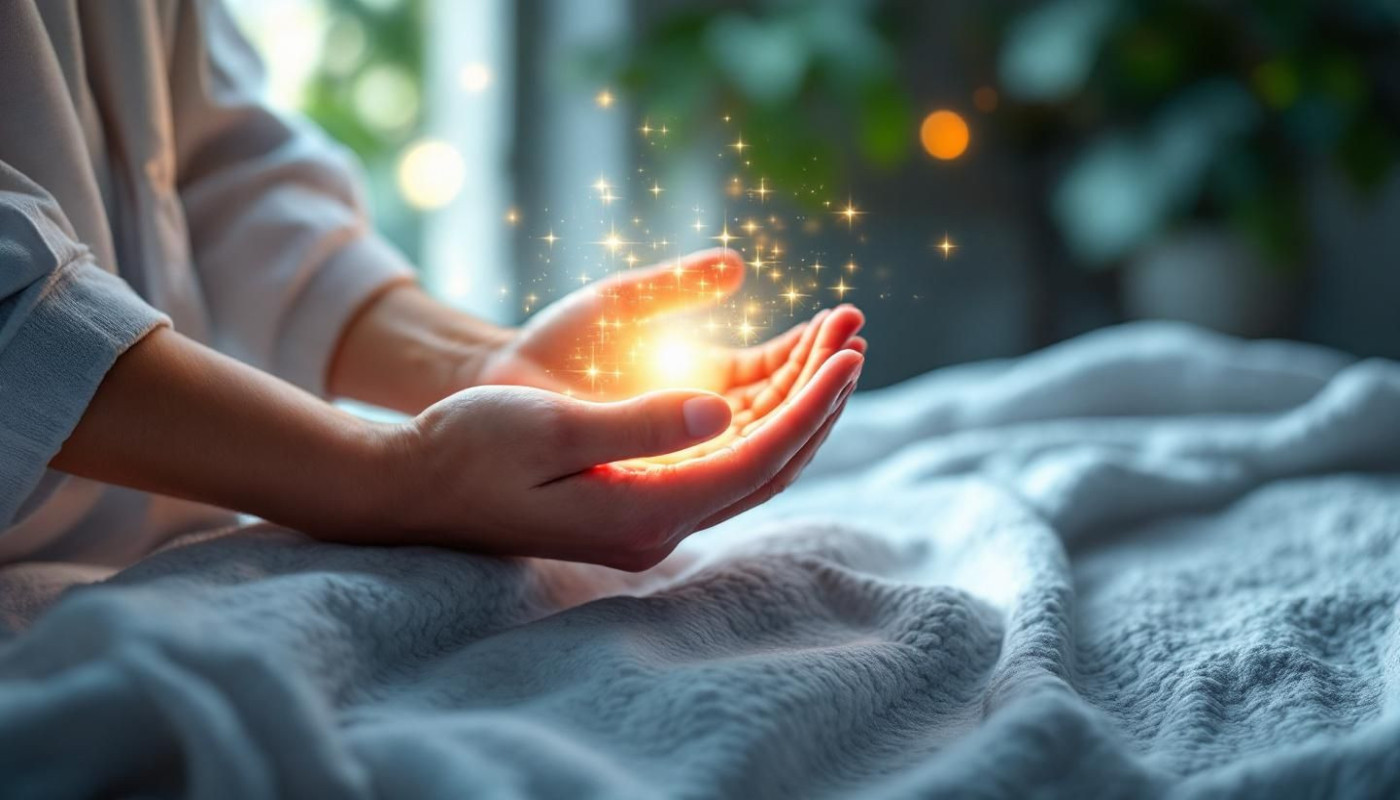
Medical intuitives employ a range of techniques that differ markedly from conventional diagnostic tools, focusing on the detection of energetic imbalances and subtle changes within a person’s biofield. Common practices include energetic scanning, where the practitioner attunes their perception to sense disruptions or blockages in the body's energy flow, often working with visualizations to interpret these intangible cues. Somatic awareness also plays a significant role; practitioners report heightened sensitivity to physical sensations in their own bodies as reflections or mirrors of a client’s internal state. These sessions may involve quiet concentration, guided meditation, or tactile exploration conducted without direct physical contact, aiming to reveal patterns that elude standard medical testing.
Underlying these approaches are frameworks drawn from esoteric traditions and alternative medicine, such as the theory of energetic resonance, which posits that bodies emit and interact with vibrational frequencies influencing health and well-being. The chakra system, originating from ancient Indian philosophy, serves as a model for mapping energy centers along the spine, each associated with different emotional and physiological functions. Practitioners may also refer to the concept of subtle anatomy, a proposed network of energy channels, meridians, or fields interwoven with the physical body, purportedly affecting overall vitality. Through visualization and intention, medical intuitives claim to access and rebalance these energetic systems, aiming to restore harmony and support natural healing processes.
Despite the growing interest among clients and some integrative health circles, intuitive assessment remains a subject of significant debate within the healthcare community. Critics highlight the lack of empirical validation and standardized training, questioning whether outcomes are attributable to placebo effects, practitioner suggestion, or confirmation bias rather than discernible energetic phenomena. Ethical concerns also arise regarding the communication of intuitive impressions, as inaccurate or alarming information can impact a person’s psychological state or decisions about medical care. Scientific skepticism persists, fueled by the intangible nature of energy fields and the challenges of quantifying subjective experiences, yet proponents argue that these modalities offer a complementary perspective that traditional diagnostics may overlook.
For those seeking broader perspectives or direct access to practitioners, resources like https://www.medical-intuitive.org provide a diverse directory, making it easier to connect with a medical intuitive near me, whether in regions such as Spokane or the heart of Washington DC, thereby expanding opportunities to explore these unconventional modalities firsthand. Curiosity about these methods often leads individuals to consider how intuition and energy-based assessment might play a supportive role alongside established medical practices, encouraging an open yet discerning approach to healthcare innovation.
The role of medical intuitives in integrative healthcare
Medical intuitives are increasingly being welcomed onto integrative healthcare teams, where their skillset can offer fresh perspectives in environments grounded in complementary medicine. Working in tandem with physicians, nutritionists, and mental health professionals, these practitioners often serve as a bridge between conventional diagnostics and the subtler aspects of patient health. Their insights are particularly valued during multidisciplinary case reviews when traditional approaches have reached a plateau, such as in chronic illnesses or conditions with elusive origins. By tuning into patterns that may not be detected through standard testing, medical intuitives can prompt further medical exploration or suggest new avenues for symptom management.
In the context of patient-centered care, the involvement of a medical intuitive strives to address the whole person—mind, body, and spirit—rather than focusing solely on physical symptoms. Their contributions often encourage greater engagement from patients, who may feel validated by the inclusion of perspectives that resonate with their lived experiences. For complex psychosomatic conditions, intuitive assessments sometimes highlight psychosocial factors or environmental influences that complement those identified by evidence-based practices. This collaborative approach has the potential to strengthen the therapeutic alliance and foster a culture of open dialogue, reinforcing the value of holistic strategies alongside established medical protocols.
Controversy and the call for scientific validation
The legitimacy of medical intuitives remains a hotly debated topic within the healthcare community, reflecting deep divisions over what constitutes credible medical practice. Supporters often cite anecdotal evidence of accurate assessments and unexpected health improvements, arguing that intuitive practitioners offer a unique, holistic perspective unavailable through conventional diagnostics. They assert that integrating these perspectives can enhance patient care, especially in cases where traditional approaches have been inconclusive. Critics, on the other hand, raise concerns over the lack of clinical validation, pointing out that most claims made by medical intuitives are not grounded in peer-reviewed studies or reproducible scientific protocols.
Ethical considerations are central to this debate, particularly regarding patient vulnerability and informed consent. Medical professionals worry that reliance on intuitive pathways can undermine evidence-based treatment, potentially delaying or discouraging standard interventions. The risk of placebo effects—where patients experience improvement due to belief in a process rather than the process itself—complicates efforts to distinguish genuine therapeutic outcomes from psychological responses. Regulators question whether such practices can be monitored and standardized in a way that protects public health, fueling skepticism about their role in mainstream medicine.
To bridge the divide, some researchers are advocating for rigorous scientific methodologies to assess the efficacy of intuitive approaches. Double-blind studies, which minimize bias by ensuring neither participant nor researcher knows who is receiving the intuitive assessment, are increasingly proposed as a means of testing outcomes objectively. Outcome-based evaluation offers another framework, tracking measurable health changes over time among those who receive intuitive versus conventional assessments. These strategies aim to generate credible data that could either support or refute the integration of intuition-based practices within regulated healthcare environments.
The drive for empirical research has led to a small but growing body of investigations into medical intuition, though results remain mixed and often controversial. Peer-reviewed studies are still rare, partly due to the inherent challenges of quantifying subjective experiences and the individualized nature of intuitive assessment. Some institutions have begun pilot programs to systematically document cases, hoping to identify patterns or predictors of effectiveness. These efforts underscore a broader shift toward accountability, demanding that all therapeutic modalities—whether traditional or alternative—demonstrate safety and efficacy through transparent, reproducible evidence.
The future of medical intuitives in healthcare evolution
As healthcare systems pivot toward personalized wellness and holistic care, the role of medical intuitives may become increasingly integrated into mainstream practice. Traditional practitioners and medical intuitives could collaborate to offer comprehensive patient assessments that combine conventional diagnostics with insights from energy medicine. Such interdisciplinary teams might use intuitive findings to inform individualized treatment plans, especially in cases where standard medical approaches alone have limited success. As biofield research advances, empirical frameworks could emerge to evaluate the efficacy of intuitive modalities, attracting interest from both academic institutions and health innovation centers seeking new dimensions in patient care.
Growing public demand for integrative approaches is likely to encourage the acceptance and regulation of medical intuition within healthcare settings. Clinics might pilot programs where licensed medical intuitives consult alongside physicians, offering input on complex, chronic, or ambiguous cases. These trends could also prompt ethical debates, such as how to verify practitioners' qualifications, establish informed consent standards, and protect patient autonomy. Regulatory bodies may be called upon to set guidelines for training and practice, while insurers and policymakers explore how to quantify the impact of intuition-based interventions on patient outcomes and system costs. In these scenarios, medical intuitives stand poised to not only reshape the landscape of patient care but also inspire ongoing research and dialogue on the nature of health, consciousness, and healing.
On the same subject

How Legal Defense Strategies Adapt Under Political Persecution Pressure
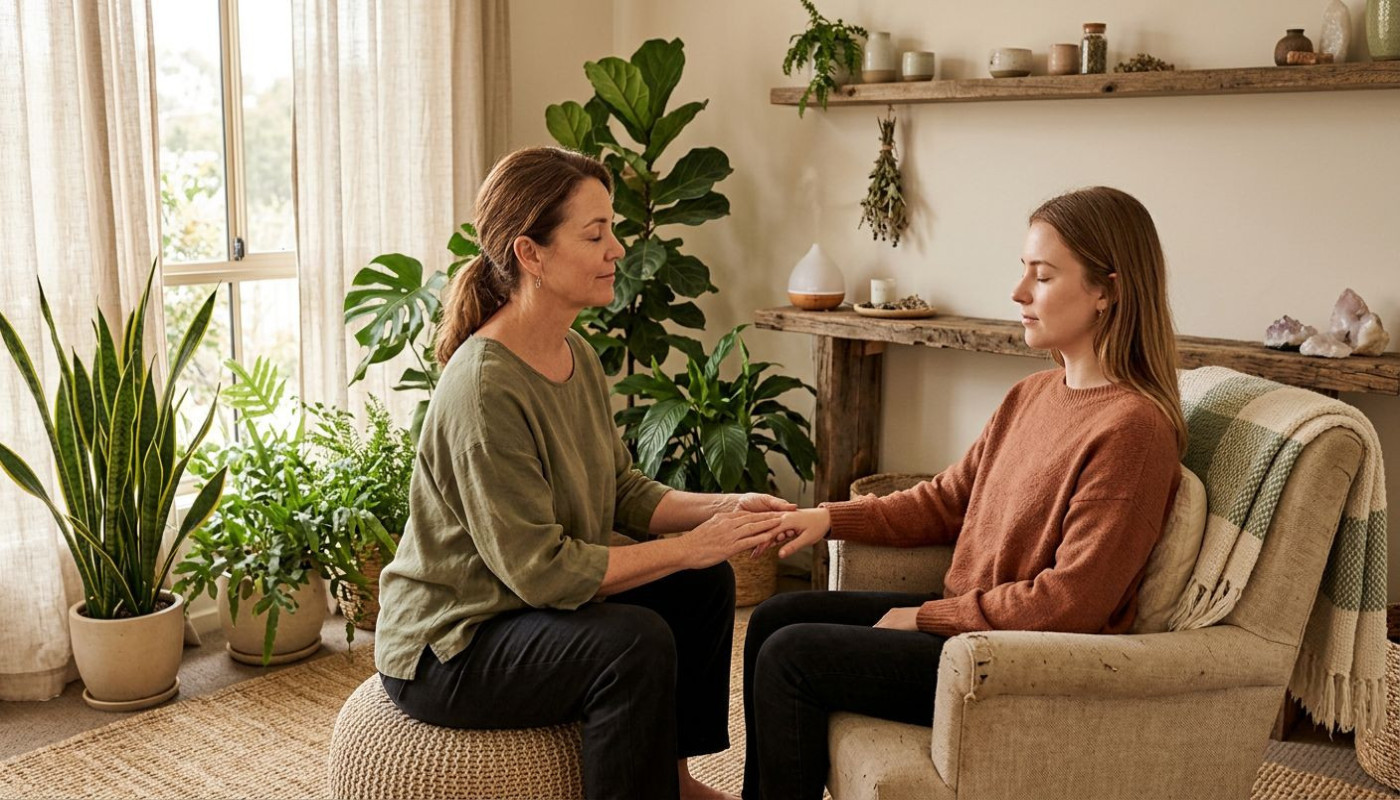
Case Studies On The Impact Of Medical Intuitives On Patient Recovery
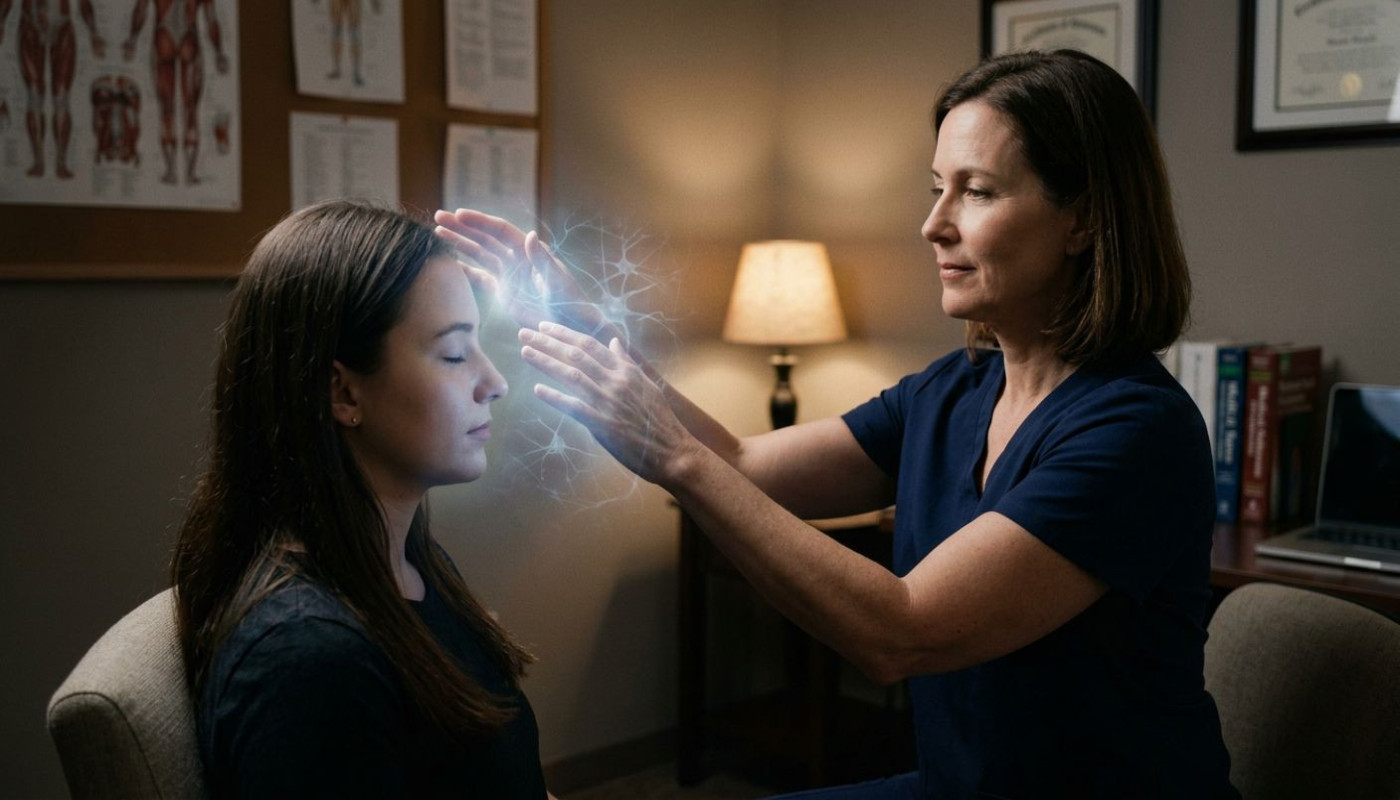
The Science Behind The Effectiveness Of Medical Intuitives

Exploring The Role Of Medical Intuitives In Holistic Health Practices
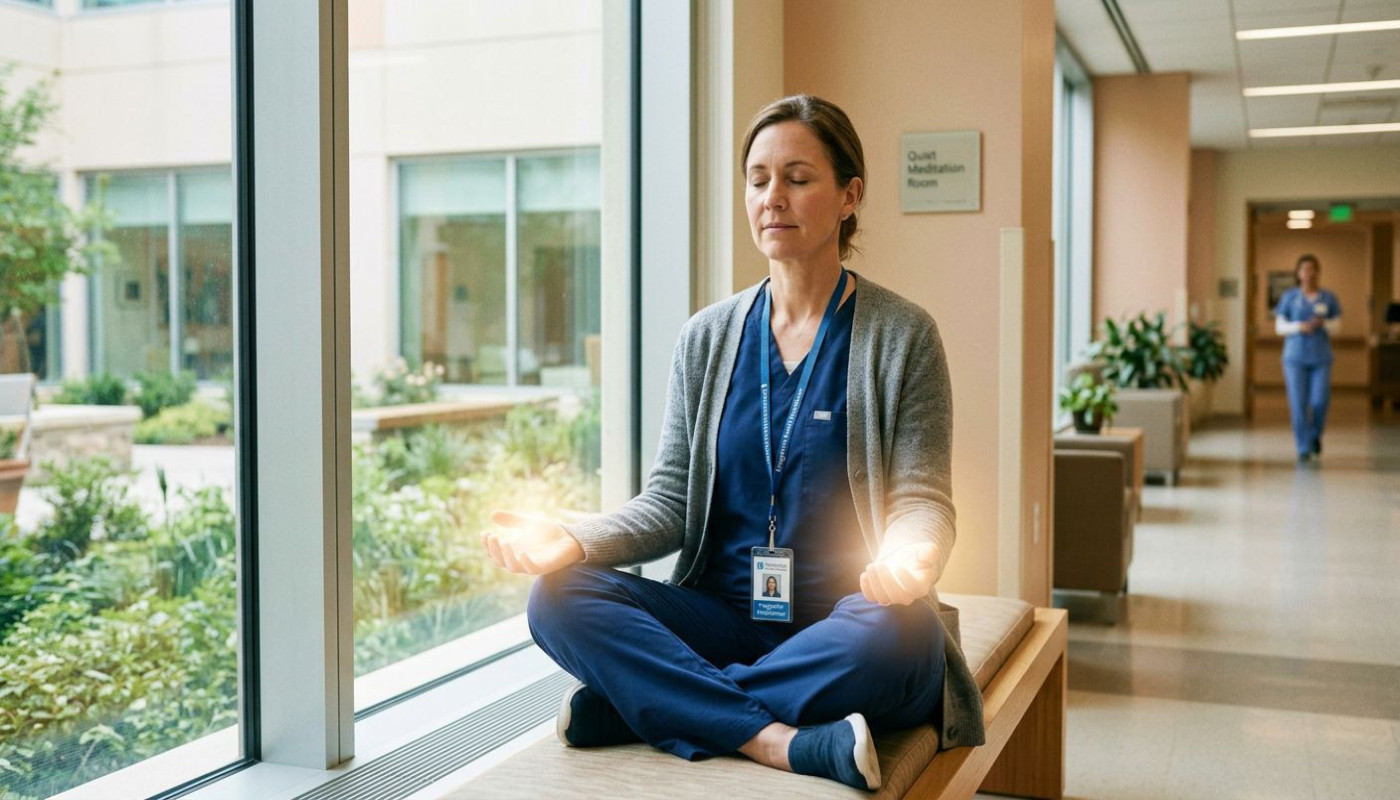
How Can Medical Intuitives Complement Traditional Healthcare?

How Medical Intuitives Are Shaping The Future Of Holistic Health Care
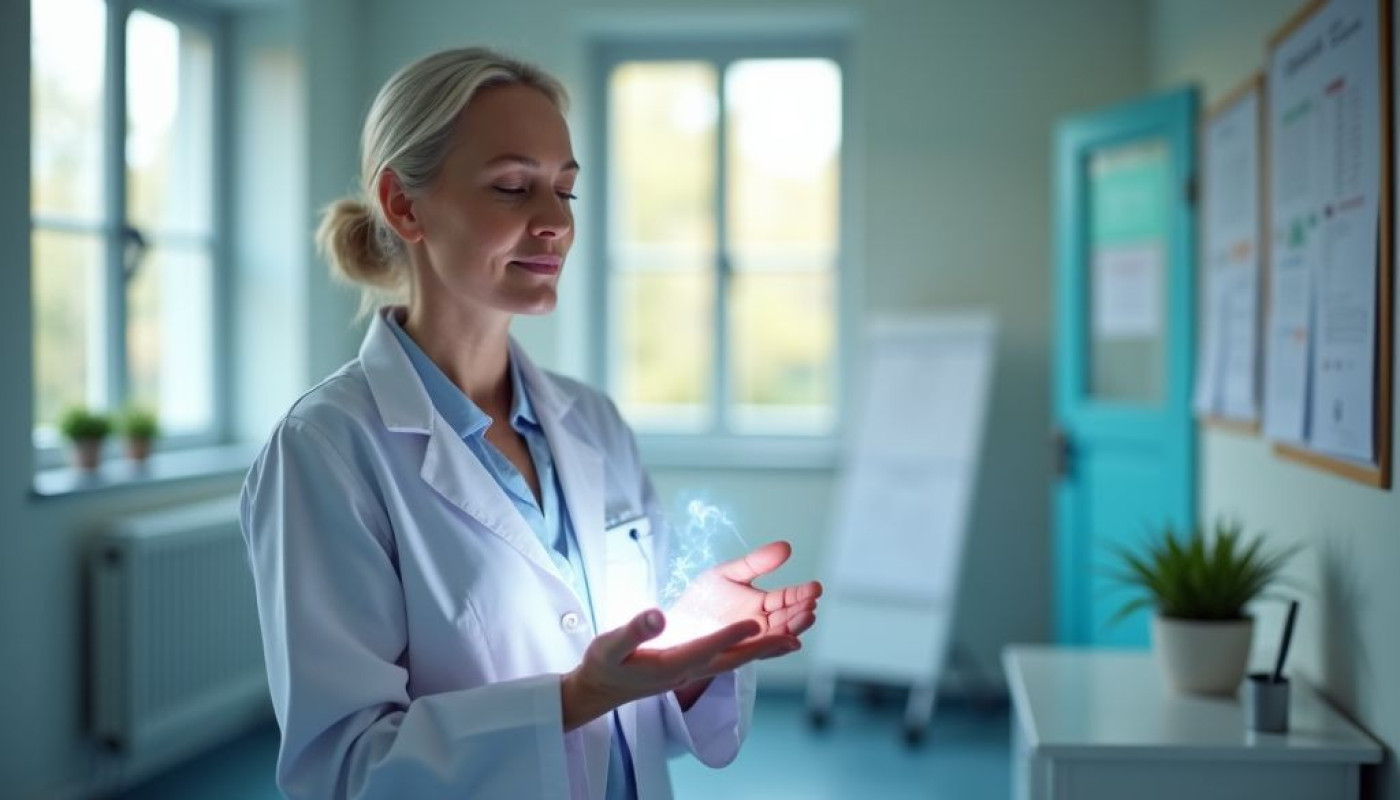
Exploring The Role Of Medical Intuitives In Enhancing Traditional Healthcare
How Medical Intuitives Contribute To Holistic Treatment Approaches

Exploring The Role Of Medical Intuitives In Modern Healthcare

Exploring How Medical Intuitives Contribute To Holistic Health Practices

Understanding The Training And Skills Behind Effective Medical Intuitives

Exploring The Ethical Boundaries Of Cheating Wife Investigations

Exploring the Mysteries of the Deep Sea
