
Table of contents
Delve into the intriguing world of medical intuitives and their evolving presence within contemporary healthcare systems. This subject sparks compelling questions: Can intuitive insight complement traditional medicine, and what role do these practitioners truly play? Discover the intersections between intuition and evidence-based care, and why this emerging field draws increasing attention from both patients and professionals.
Origins of medical intuitive practices in healthcare
Long before the advent of modern diagnostics, healers in ancient societies often relied on forms of perception beyond the physical senses, embracing intuitive methods to discern illness and promote wellbeing. Traditions such as Traditional Chinese Medicine, Ayurveda, and indigenous shamanic practices all featured individuals who could sense imbalances within the body’s energy or spirit, using these insights to guide treatment and lifestyle advice. These early medical intuitives interpreted subtle bodily cues, emotional states, and environmental influences, forming a foundational aspect of holistic care that persists in various cultures even today.
As civilizations advanced, the role of intuitive assessment in healthcare evolved, sometimes integrating with burgeoning scientific knowledge and at other periods facing skepticism as empirical methods gained prominence. During the Middle Ages in Europe, wise women and folk healers served communities through a blend of intuition, herbal knowledge, and spiritual counsel, yet their practices were often marginalized or suppressed with the rise of formalized medicine. Despite these shifts, historical records reveal that intuitive consultations remained sought after, especially when conventional approaches failed to address persistent or mysterious ailments, underscoring the enduring value many placed on such insights.
In recent years, the resurgence of integrative medicine has fostered renewed interest in the contributions of medical intuitives, who are now sometimes found collaborating with physicians or offering complementary perspectives in clinical settings. This blending of ancient wisdom and contemporary healthcare can be traced through platforms like https://www.medical-intuitive.org, which facilitates connections with practitioners—whether one seeks a medical intuitive near me, an expert in Spokane, or intuitive guidance in Washington DC—highlighting the growing accessibility and recognition of intuitive skills. As healthcare continues to evolve, the historical interplay between science and intuition provides fertile ground for reflection on how diverse approaches can enhance the healing journey.
Techniques and modalities employed by medical intuitives
Medical intuitives utilize a range of unconventional techniques to perceive and interpret information related to an individual’s health. Practices like biofield scanning involve focusing attention on the body’s energy field, or biofield, which is believed to surround and interpenetrate the human form. Energetic resonance assessment is another method, wherein the practitioner senses areas of disharmony or imbalance by attuning to subtle vibrational patterns within the individual's physical or energetic system. Chakra analysis, derived from traditional Eastern frameworks, centers on evaluating the flow and vitality of energy through the body's primary energy centers, often aiming to identify blockages or deficiencies. Somatic visualization, meanwhile, calls for intuitives to generate mental images corresponding to a client’s physical state, sometimes detecting symbolic representations of underlying emotional or physiological issues. These modalities rely on concepts such as subtle energy perception—the claimed ability to sense non-physical aspects of health—and intuitive health profiling, which entails synthesizing impressions into a comprehensive overview of wellness or dysfunction.
Unlike conventional diagnostic methods, which depend on measurable physiological markers, laboratory tests, and imaging technology, the approaches used by medical intuitives are inherently subjective and often lack empirical validation. The distinction lies in the experiential and interpretive nature of intuitive practices, which are based on the practitioner’s finely honed sensitivity and cognitive-emotional attunement rather than standardized procedures. Those seeking legitimacy within professional circles may pursue certification through specialized training programs, which can include coursework in anatomy, ethics, and energy-based assessment techniques. Some organizations offer credentials to practitioners who demonstrate competence through case studies, supervised practice, or peer review—providing a degree of structure that helps distinguish serious professionals from less rigorously trained individuals. This blend of intuitive insight and formal preparation enables medical intuitives to work in collaboration with conventional providers or in complementary wellness settings, appealing to individuals interested in holistic or integrative models of care.
Integration with conventional healthcare teams
Medical intuitives frequently work alongside physicians, nurses, and allied health professionals in settings that embrace integrative or holistic models of care. These collaborations typically occur in clinics where patient well-being is approached from multiple perspectives, combining evidence-based medicine with complementary modalities. A medical intuitive may be asked to provide insights during complex diagnostic processes, particularly when conventional tests yield inconclusive results or when patients are managing persistent symptoms. Interdisciplinary meetings and case conferences often serve as forums for these practitioners to share their perspectives, ensuring that all viewpoints are considered while formulating patient care plans.
There are documented instances in which the contributions of medical intuitives have shaped the direction of chronic illness management and preventative strategies. For example, a patient with unresolved autoimmune symptoms might benefit from an intuitive session that highlights potential environmental or emotional triggers. Such insights, when discussed with the healthcare team, can prompt targeted lifestyle interventions or further specialist referrals. Some practices use structured protocols, such as integrative case reviews, where intuitive findings are cross-referenced with laboratory data and clinical assessments, allowing for a more nuanced understanding of patient needs without overshadowing medical judgment.
Collaboration between medical intuitives and conventional providers requires careful attention to communication and documentation practices. Ethical guidelines typically dictate that intuitive impressions are clearly marked as adjunctive and never replace clinical evaluation. Teams may use shared electronic health records with designated sections for notes from holistic practitioners, ensuring transparency and boundary maintenance. Ethical considerations also include obtaining informed consent from patients, clarifying the complementary nature of intuitive input, and emphasizing respect for both professional expertise and patient autonomy within the interdisciplinary framework.
Scientific perspectives and evidence evaluation
Within the scientific community, the role of medical intuitives often sparks debate, as researchers grapple with questions about efficacy and reliability. Clinical validation—the process of assessing a method’s ability to produce consistent, accurate results—remains a central concern. To address skepticism, some studies attempt to apply rigorous empirical research methods, such as double-blind protocols, in which neither the intuitive nor the patient knows relevant medical details, and physiological outcome measurements, which track changes in measurable health indicators after intuitive assessments. While anecdotal reports may attract interest, reproducibility of results across multiple trials is vital to establishing credibility. Instances where intuitive insights appear accurate can be intriguing, yet without consistent repetition under controlled conditions, many scientists remain cautious about drawing broad conclusions.
Public and professional perceptions are further shaped by the ongoing examination of the placebo effect—the phenomenon where belief in a treatment leads to perceived or actual improvement. In studies involving medical intuitives, distinguishing between genuine physiological changes and those attributable to patient expectation requires nuanced analysis. The complexity of human health, coupled with subjective experiences, makes it challenging to isolate the direct impact of intuitive input from psychological influences. These factors contribute to a landscape where skepticism persists, but also where curiosity propels further investigation. As healthcare systems increasingly explore integrative approaches, the demand for reproducible, evidence-based evaluation of unconventional modalities grows, driving continued research and discussion about the practical relevance of medical intuitives.
Future outlook and evolving perceptions
The landscape of healthcare is rapidly transforming, driven by advancements in technology and a growing emphasis on individualized care. Medical intuitives, once considered unconventional, are finding new relevance as interest in personalized medicine rises. This trend highlights a shift toward recognizing the diverse ways patients seek understanding of their health, particularly through approaches that blend conventional diagnostics with intuitive insights. Quantum biology, with its exploration of the subtle interactions within living systems, echoes some of the underlying principles that intuitive practitioners describe, fostering a unique convergence between emerging science and intuitive healthcare.
Integrative health models are increasingly popular among both patients and practitioners, emphasizing the combination of evidence-based medicine with complementary practices, including those of medical intuitives. Patients seeking holistic care often value the empathetic and individualized attention provided by intuitive assessments, prompting healthcare organizations to reevaluate their approach to patient engagement. This environment encourages ongoing dialogue between biomedical professionals and medical intuitives, fostering collaboration and mutual respect. As patients become more informed and proactive, the demand for diverse therapeutic modalities grows, driving deeper integration of intuitive perspectives within multidisciplinary care teams.
The future of medical intuitive practice is being shaped by evolving regulatory frameworks and the establishment of professional associations dedicated to setting ethical and educational standards. These developments aim to promote credibility and accountability, ensuring that practitioners meet rigorous criteria for skill and integrity. Training programs are beginning to formalize core competencies in areas such as client communication, ethical boundaries, and collaboration with licensed healthcare providers. As these standards gain traction, medical intuitive services are poised to earn greater acceptance within mainstream healthcare, creating opportunities for innovation and the potential to enhance patient outcomes through a more holistic lens.
On the same subject

How Legal Defense Strategies Adapt Under Political Persecution Pressure
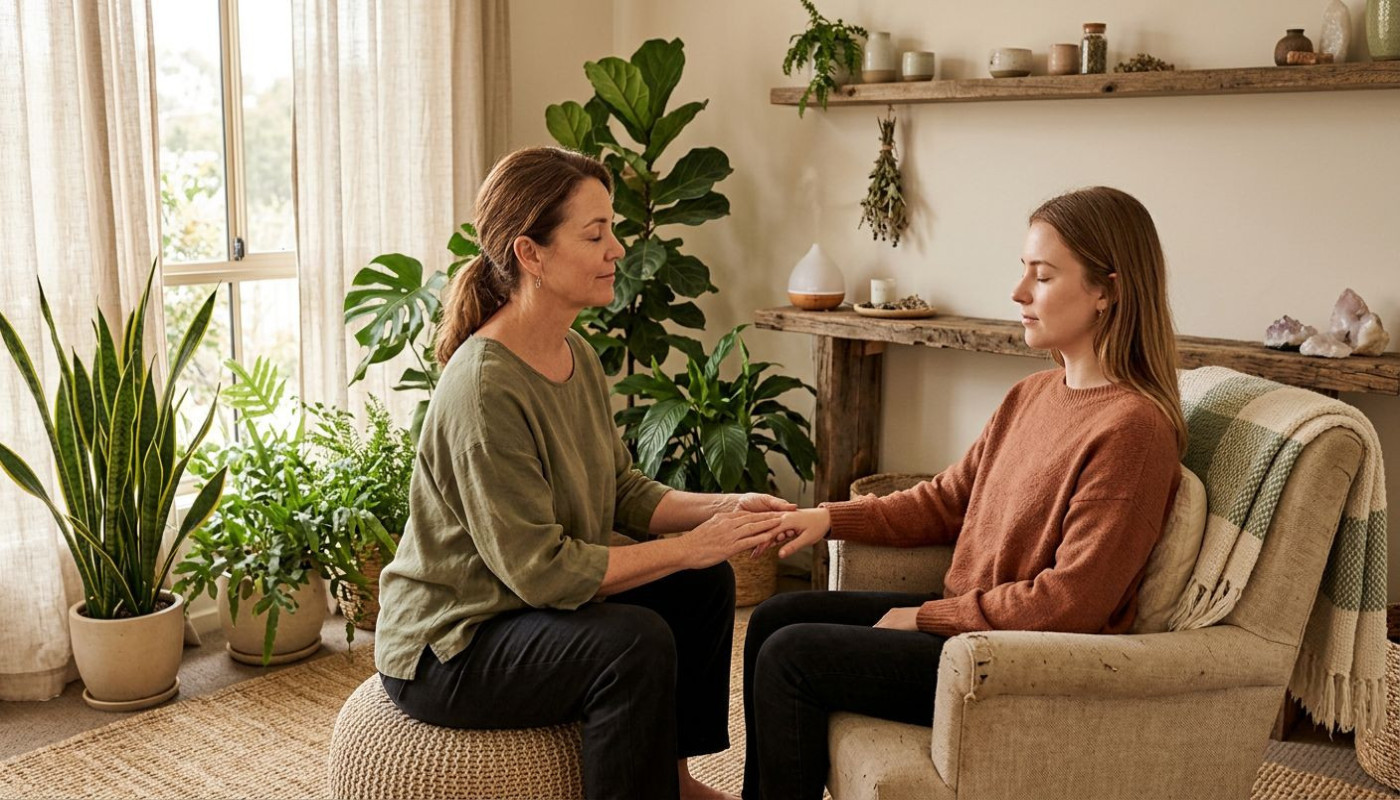
Case Studies On The Impact Of Medical Intuitives On Patient Recovery
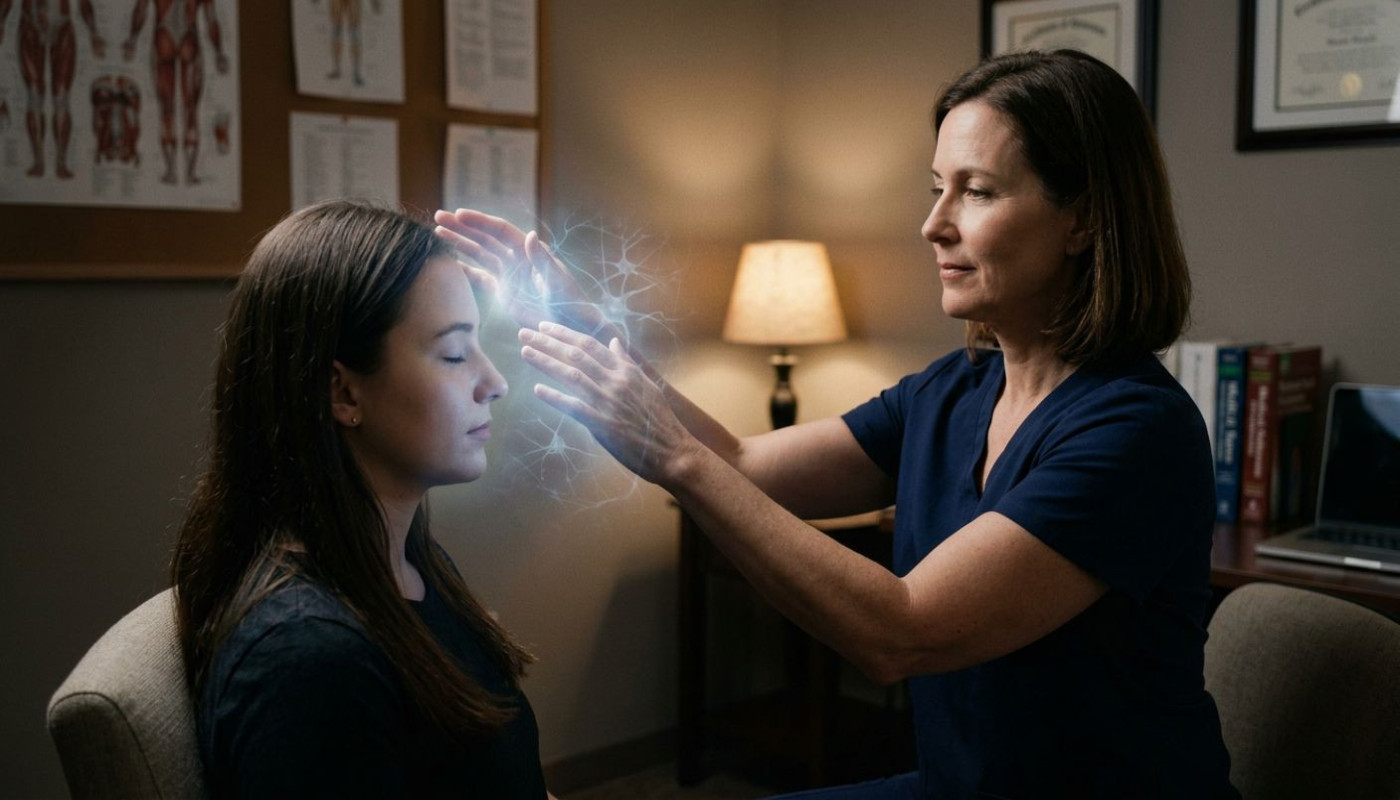
The Science Behind The Effectiveness Of Medical Intuitives

Exploring The Role Of Medical Intuitives In Holistic Health Practices

How Can Medical Intuitives Complement Traditional Healthcare?

How Medical Intuitives Are Shaping The Future Of Holistic Health Care
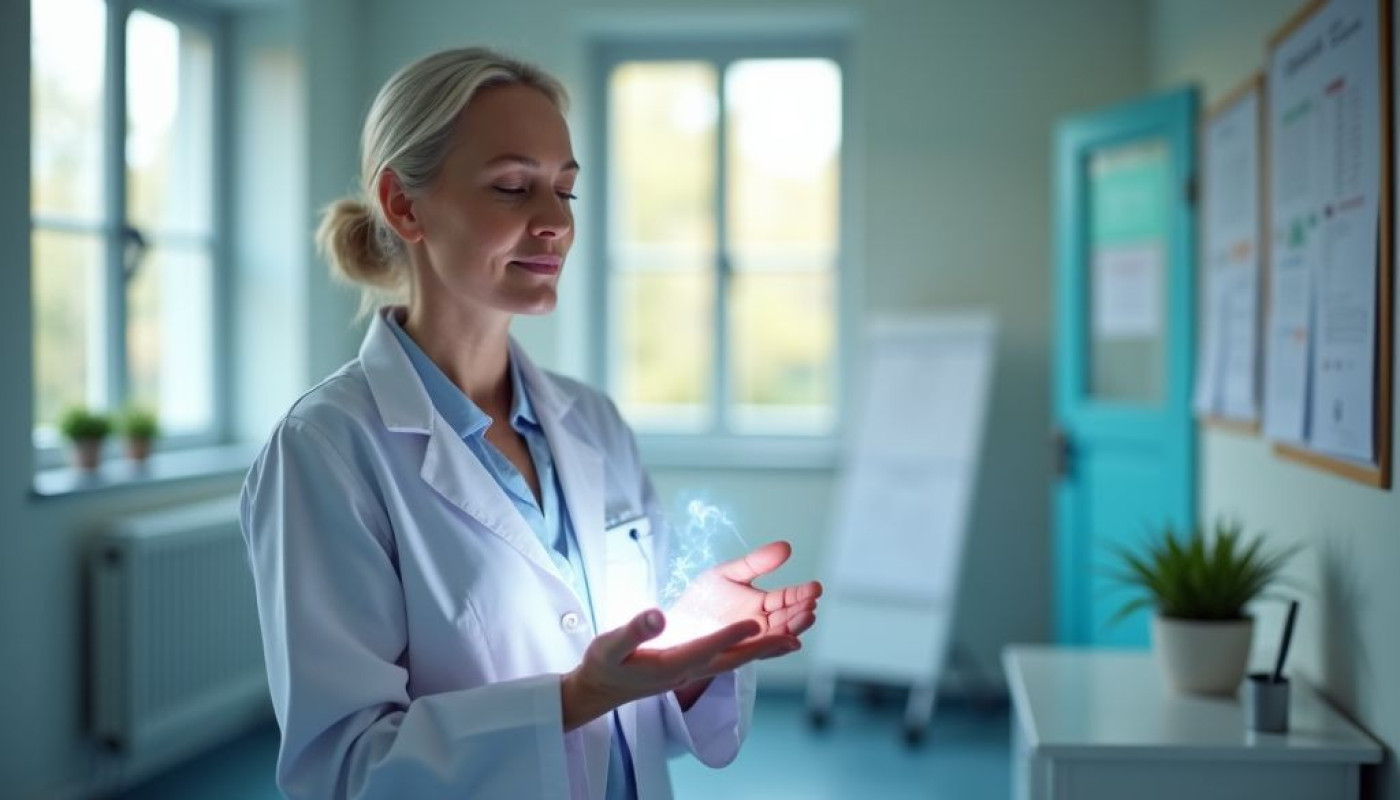
Exploring The Role Of Medical Intuitives In Enhancing Traditional Healthcare

How Medical Intuitives Contribute To Holistic Treatment Approaches

Exploring The Rise Of Medical Intuitives In Modern Healthcare

Exploring How Medical Intuitives Contribute To Holistic Health Practices

Understanding The Training And Skills Behind Effective Medical Intuitives

Exploring The Ethical Boundaries Of Cheating Wife Investigations

Exploring the Mysteries of the Deep Sea
