
Table of contents
Step into a world where intuition meets innovation, and discover how medical intuitives are quietly transforming the landscape of holistic health care. With their unique ability to perceive subtle energy patterns and underlying health issues, these practitioners offer insights that often elude conventional diagnostics. Uncover the science, skepticism, and transformative potential of this unconventional approach as the following paragraphs reveal the groundbreaking role medical intuitives play in the future of healing.
Integrating subtle energy assessment in holistic health care
Medical intuitives often employ the assessment of subtle energy systems—such as the auric field, chakras, and bioenergetic patterns—as a way to uncover underlying issues that may not be immediately apparent through standard medical tests. Techniques like auric field interpretation involve sensing shifts in electromagnetic fields around the body, which can be associated with emotional, physical, or spiritual imbalances. Chakra system analysis, a practice rooted in ancient healing traditions, provides practitioners with a map of potential energetic blockages that may correlate to physical symptoms or emotional stressors. Bioenergetic evaluation, sometimes supported by devices that record changes in skin conductivity or heart rate variability, adds another layer of insight, helping to pinpoint where energy flow is interrupted or depleted. These subtle energy assessments serve as a noninvasive complement, offering holistic practitioners clues that can prompt further clinical investigation or inspire lifestyle modifications.
By integrating subtle energy mapping alongside clinical diagnostics, holistic health care is moving towards a more personalized and proactive approach. Early detection of energetic disturbances can precede the manifestation of chronic illnesses, allowing providers to intervene before symptoms escalate. This model encourages the design of individualized wellness plans that may include energy-based therapies, nutritional guidance, mindfulness practices, or movement modalities tailored to each patient’s unique energetic profile. As a result, patients become more engaged partners in their health journey, empowered to address both the physiological and energetic dimensions of well-being. Such integration not only broadens the toolkit available to practitioners but also enriches the therapeutic relationship, fostering trust and deepening the potential for lasting health improvements.
Scientific inquiry and biofield research
Within the evolving realm of holistic health care, scientific investigation into the validity and mechanisms of medical intuitive practices has gained momentum, with a growing focus on the human biofield—a complex interplay of electromagnetic and subtle energies surrounding the body. Techniques such as electrophotonic imaging and heart rate variability analysis are being explored to capture and quantify shifts in physiological and energetic states before and after intuitive assessments. Peer-reviewed studies and exploratory pilot programs have begun to emerge, often featuring collaborations between seasoned intuitive practitioners and open-minded medical researchers who seek to identify measurable outcomes and potential clinical value. These efforts are frequently characterized by both intrigue and skepticism, as the field works to balance subjective experience with the rigor expected in scientific inquiry.
Despite promising anecdotal reports and some preliminary data, consistent empirical validation remains elusive due to methodological hurdles such as small sample sizes, variability in practitioner skills, and the absence of universally accepted measurement standards. Researchers emphasize the necessity for standardized protocols and larger, multi-center studies to better determine the reliability and reproducibility of intuitive insights when applied alongside conventional medical diagnostics. Bridging this gap between intuition and evidence-based practice is a central aim of ongoing investigations, paving the way for a more integrative approach that respects both scientific and experiential knowledge. For those interested in exploring practitioners in diverse locations, resources like https://www.medical-intuitive.org provide access to professionals offering services such as medical intuitive near me, medical intuitive Spokane, and intuitive Washington DC, reflecting the nationwide expansion and accessibility of this modality.
Addressing skepticism and ethical considerations
Medical intuitives frequently encounter skepticism from both conventional health care providers and discerning patients, who question the scientific basis and accuracy of intuitive assessments. Concerns often center on the difficulty of validating intuitive insights, as well as the risk of mistaking the placebo effect for genuine results. Critics also highlight the lack of standardized training and accountability, underscoring the potential for misdiagnosis or harm when practitioners operate outside evidence-based frameworks. Such skepticism encourages the field to reflect on its methods, fostering the development of more rigorous approaches and clear communication with clients about what to expect from a session.
Ethical considerations play a vital role in the responsible practice of medical intuition. Adopting clear ethical guidelines helps distinguish reputable intuitives from those making unfounded claims or overstepping boundaries. Practitioner certification—when aligned with recognized standards—offers reassurance to patients and referring professionals that a given intuitive operates within defined competencies. Transparent disclosure of a practitioner’s qualifications, approach, and limitations helps clients make informed decisions, reducing the risk of exploitation and supporting patient autonomy. This transparency is especially valuable when intuitive insights are presented as complementary rather than alternative to conventional medical advice.
The development and adherence to well-defined ethical frameworks enables medical intuitives to integrate more safely and effectively into holistic care teams. Informed consent becomes a cornerstone of responsible practice, ensuring that clients understand what medical intuition entails and how it fits within their overall health plan. Collaboration with licensed health professionals not only broadens the context for intuitive findings but also anchors them within a more comprehensive, patient-centered care model. This kind of integration, when guided by ethical best practices, helps bridge the gap between intuitive and conventional care, offering patients a richer, more nuanced spectrum of support while safeguarding their wellbeing.
Transforming patient-centered care and empowerment
Medical intuitives are introducing a nuanced dimension to patient-centered care by encouraging individuals to become active participants in their own healing processes. Through intuitive health counseling, practitioners facilitate self-reflection and guide clients to recognize the subtle interplay between thoughts, emotions, and physical symptoms. This approach often involves helping patients uncover the psychological or energetic roots of chronic conditions, such as stress-related digestive issues or persistent fatigue linked to unresolved emotional trauma, fostering a deeper sense of self-awareness and accountability for well-being.
Energetic pattern recognition is another technique used to map imbalances within the body’s energy systems, such as chakra misalignments or disruptions in biofield integrity. By identifying these patterns, medical intuitives provide tailored recommendations that may include mindfulness exercises, breathwork, and visualization practices. These interventions can empower clients to address psychosomatic contributors to illness, build emotional resilience, and take proactive steps in daily life—from altering dietary habits to setting healthier boundaries in relationships—furthering a comprehensive approach to wellness that values the complex interplay of mind, body, and spirit.
This holistic guidance frequently leads to transformative lifestyle changes, as individuals gain confidence in their body’s innate wisdom and ability to restore balance. Patients report increased motivation to adopt practices like meditation, movement therapies, or journaling, which support ongoing self-care and cultivate a stronger mind-body connection. By fostering an environment that values patient input and encourages exploration of emotional and energetic influences on health, medical intuitives are shaping a model of wellness in which empowerment is both the foundation and the driving force behind sustained, positive outcomes.
Future directions and technological integration
Emerging trends in medical intuition indicate a dynamic fusion between traditional intuitive practices and cutting-edge technologies. Digital biofeedback devices now offer real-time physiological monitoring, enabling individuals to understand subtle bodily changes that might be detected by intuitive practitioners. Integrative health apps are also transforming the landscape, providing users with personalized recommendations, guided meditations, and self-assessment tools that bridge the gap between subjective intuition and measurable health data. The horizon holds promise for AI-assisted intuitive diagnostics, where artificial intelligence analyzes patterns in user-reported symptoms and biometric signals, potentially flagging areas for deeper exploration by both medical professionals and intuitives.
Collaboration between intuitive practitioners, medical technologists, and holistic health systems is gaining momentum. By working together, these groups can refine intuitive assessment methods, develop standardized protocols, and ensure a balanced approach that respects both empirical evidence and the insights of intuition. For example, interdisciplinary teams are already piloting programs where intuitive scans inform the focus of medical imaging or where technology-enhanced biofeedback supports intuitive healing sessions. Such collaborations help to anchor intuitive practices within the broader healthcare framework, encouraging mutual respect and shared learning.
Technological integration offers the prospect of increasing the accuracy, accessibility, and credibility of intuitive health assessments. Digital tools can democratize access, enabling individuals in remote or underserved areas to benefit from intuitive insights combined with science-backed guidance. As data from wearable sensors and user feedback is aggregated, trends may emerge that validate intuitive impressions, supporting ongoing research and refinement. The evolution toward a more inclusive and dynamic era of holistic health care relies on trust, transparency, and rigorous evaluation, ensuring intuitive methods complement and enrich established medical practices in meaningful, practical ways.
On the same subject

How Legal Defense Strategies Adapt Under Political Persecution Pressure
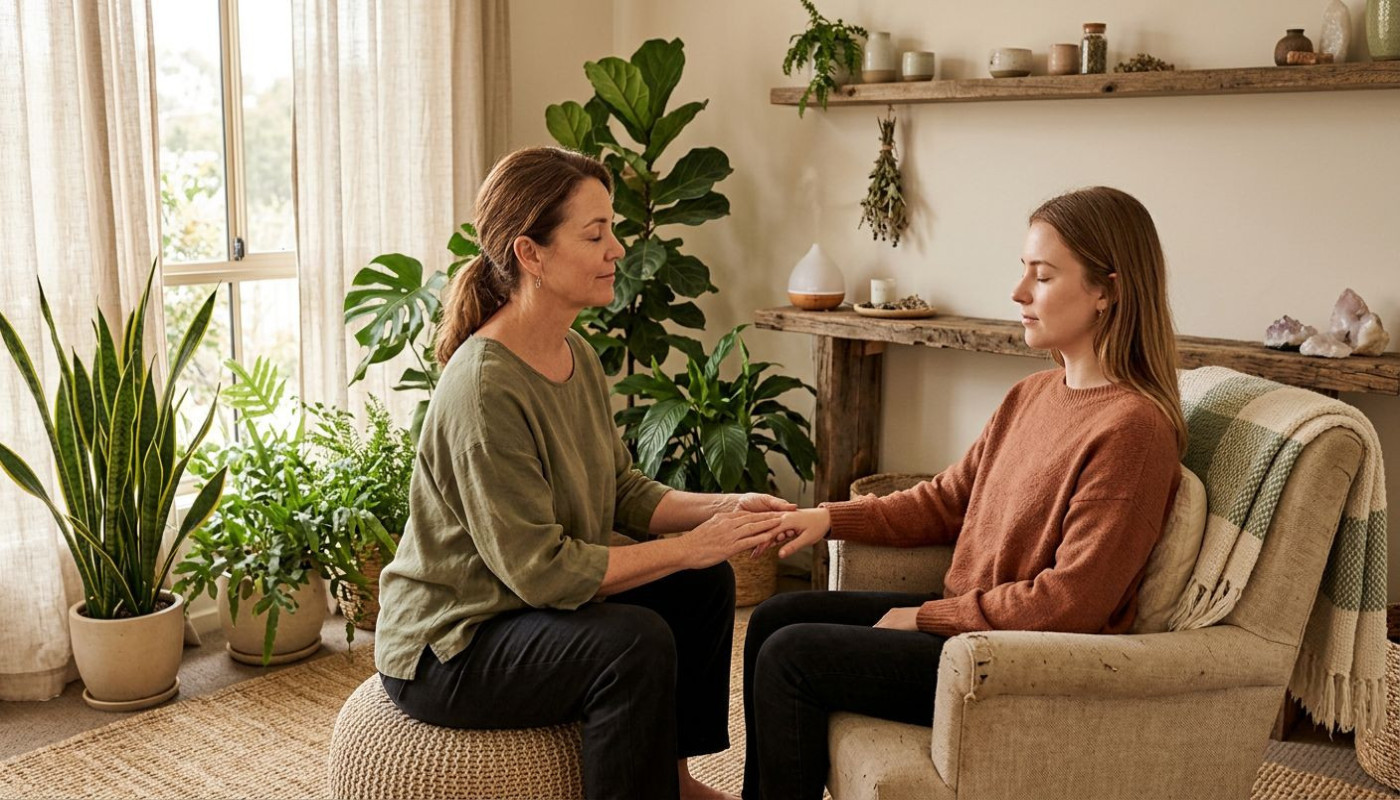
Case Studies On The Impact Of Medical Intuitives On Patient Recovery
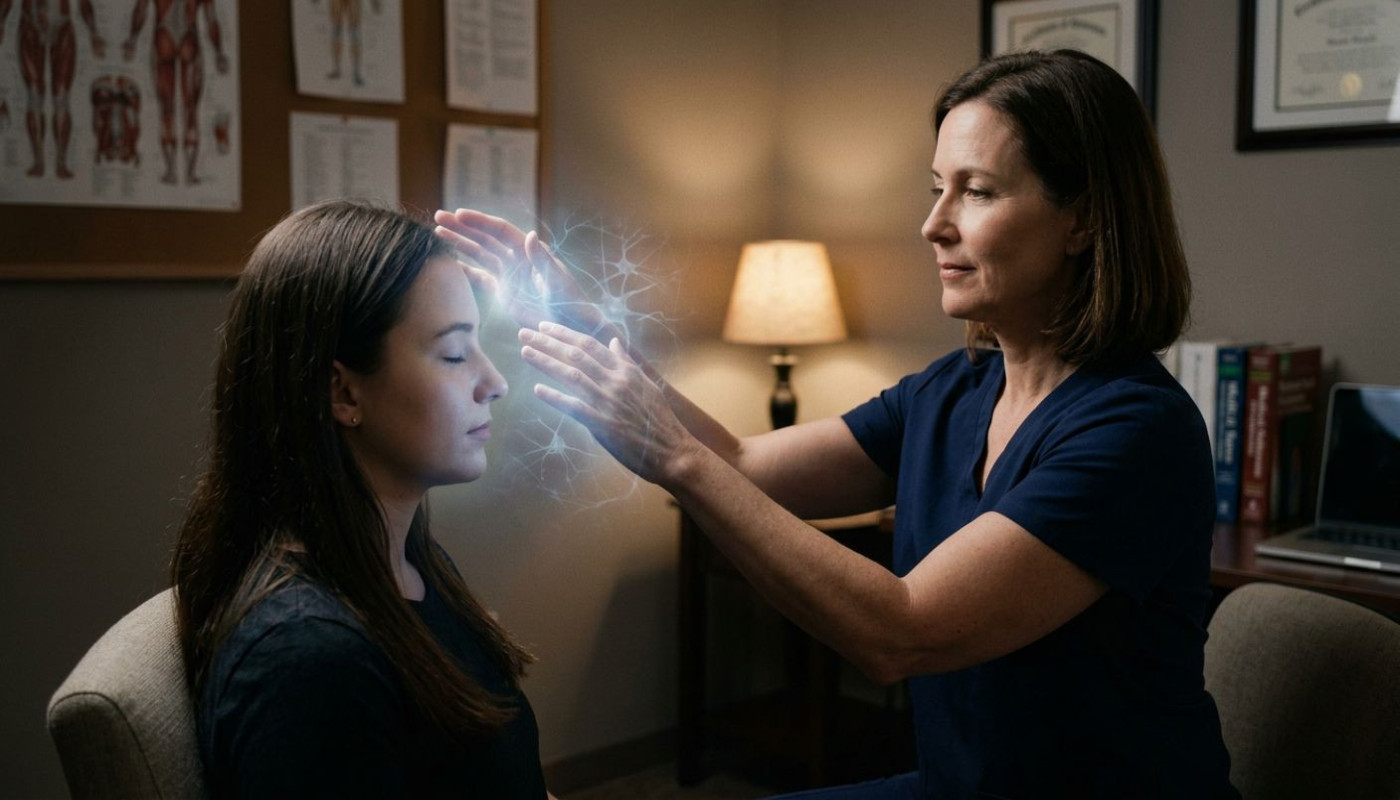
The Science Behind The Effectiveness Of Medical Intuitives

Exploring The Role Of Medical Intuitives In Holistic Health Practices

How Can Medical Intuitives Complement Traditional Healthcare?
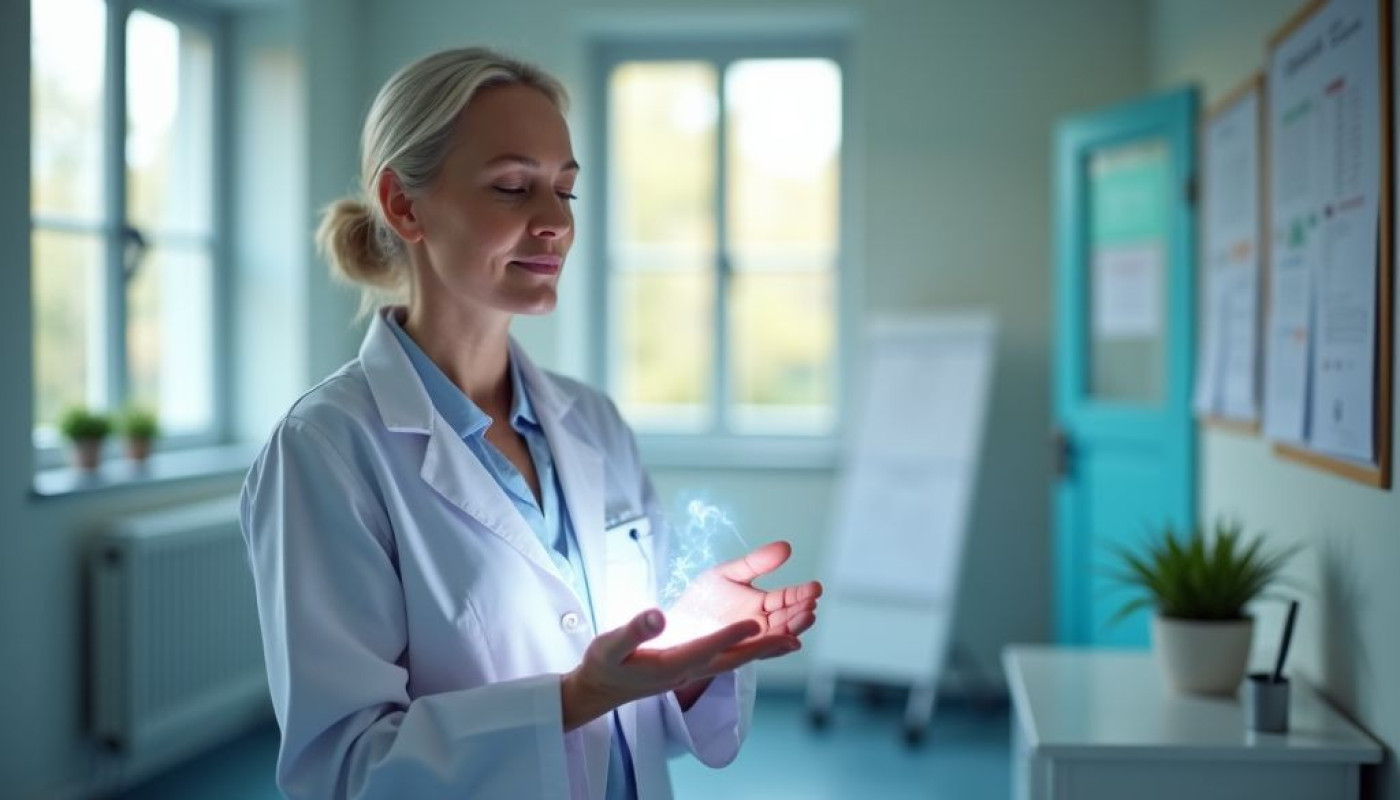
Exploring The Role Of Medical Intuitives In Enhancing Traditional Healthcare

How Medical Intuitives Contribute To Holistic Treatment Approaches

Exploring The Rise Of Medical Intuitives In Modern Healthcare

Exploring The Role Of Medical Intuitives In Modern Healthcare

Exploring How Medical Intuitives Contribute To Holistic Health Practices

Understanding The Training And Skills Behind Effective Medical Intuitives

Exploring The Ethical Boundaries Of Cheating Wife Investigations

Exploring the Mysteries of the Deep Sea
