
Table of contents
Unlocking the mysteries of holistic health often means looking beyond conventional practices and embracing new perspectives. Dive into the fascinating world of medical intuitives, where intuition and advanced energetic assessment are harnessed to support well-being. Discover how these practitioners collaborate with clients and health professionals, and why their unique approach is capturing growing attention in the realm of integrative medicine.
Understanding the role of medical intuitives in holistic care
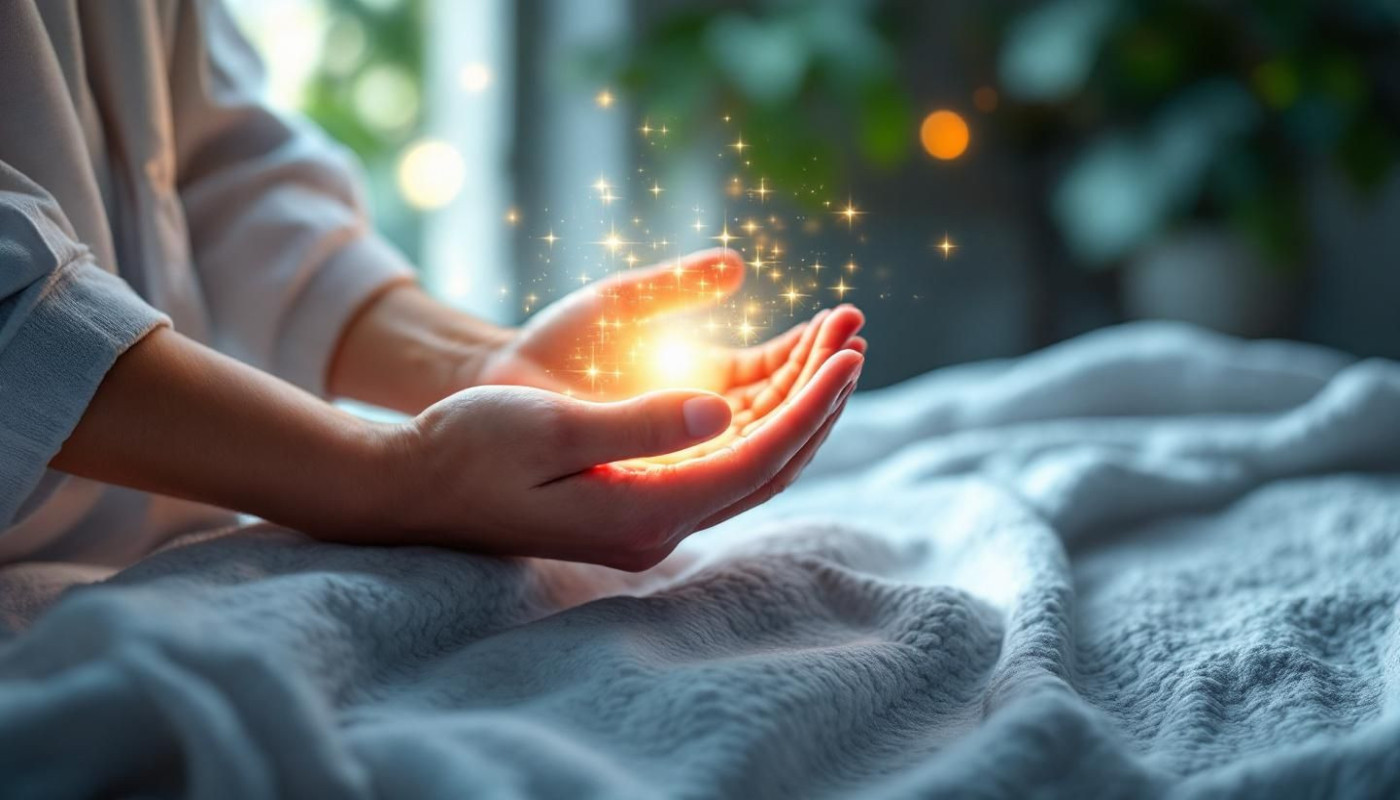
Medical intuitives serve a unique function within holistic health practices by employing intuitive perception to assess well-being beyond conventional physical symptoms. These practitioners often report accessing information about a person’s health through heightened awareness, which they describe as intuitive assessment. This process involves tuning into subtle cues in the body’s energy field, sometimes referred to as the aura, to detect imbalances or blockages that may not be visible through standard medical tests. The analysis encompasses both the physical and non-physical aspects of health, allowing for a broad perspective that includes energetic influences, emotional history, and spiritual factors.
One of the signature techniques used by medical intuitives is body-mind mapping, which involves interpreting patterns within the body’s energy systems to uncover root causes of discomfort or disease. For instance, a practitioner may identify a persistent throat issue not solely as a physical symptom, but as a reflection of suppressed communication or unresolved emotional stress. Such insights are derived from the belief that the body stores experiences energetically, and disturbances in these energy patterns can precede or mirror physical manifestations. Unlike traditional diagnostic approaches, which rely on laboratory tests and imaging, medical intuitives focus on vibrational health and the interconnectedness of the body, mind, and spirit.
The guiding principles shaping the work of medical intuitives revolve around the integration of spiritual, emotional, and physical dimensions in health evaluation. Practitioners often encourage clients to explore the underlying emotional or spiritual contributors to physical symptoms, fostering a collaborative and empowering approach. This model supports the idea that true healing addresses all aspects of the individual, not just isolated physical ailments. By considering the influence of beliefs, relationships, and lifestyle, medical intuitives contribute a perspective that values subjective experience and personal meaning as integral to well-being, complementing other holistic and conventional health practices.
Techniques and tools used by medical intuitives
Medical intuitives employ a range of specialized approaches that set their work apart from traditional diagnostics. Techniques such as remote scanning allow practitioners to perceive subtle imbalances within the body without physical proximity, often using focused intention to sense health issues from afar. Chakra evaluation and auric field reading involve assessing the energy centers and the electromagnetic field surrounding the body, offering insights into emotional and physiological disturbances that standard medical tests may overlook. In contrast to conventional medicine, which relies on laboratory data and imaging, intuitive body scanning draws upon extrasensory perception and energetic diagnostics—skills that depend on refined sensitivity rather than instruments or machines.
Central to these practices are meditation, visualization, and intention setting, which form the foundation for accessing and interpreting intuitive information. Through repeated practice and specialized instruction, medical intuitives develop their perceptual abilities, learning to trust subtle cues and internal impressions. Case studies often describe how practitioners visualize the client’s organs or energetic systems, translating impressions into actionable wellness guidance. Those interested in connecting with a skilled practitioner can discover resources at https://www.medical-intuitive.org, where searching for terms like medical intuitive near me, medical intuitive spokane, or intuitive washington dc can facilitate access to reputable professionals. Mastery in these areas is achieved through continuous training and experiential learning, allowing medical intuitives to offer nuanced perspectives that complement conventional healthcare approaches.
How medical intuitives collaborate with other health practitioners
Collaboration between medical intuitives and conventional healthcare professionals often unfolds within integrative clinics, wellness centers, or through referrals in private practice. Medical intuitives are valued for their ability to perceive subtle physical, emotional, or energetic imbalances that may not be immediately apparent through standard diagnostics. When working alongside physicians, nurses, and therapists, these practitioners relay their observations in ways that supplement clinical data, helping to build a more comprehensive understanding of a patient’s overall wellbeing. This process relies on transparent dialogue, ethical boundaries, and clear delineation of roles, allowing each practitioner to work within their expertise while contributing to a shared patient goal.
In integrative health plans, a medical intuitive’s input might prompt a team to reconsider underlying causes of persistent symptoms. For example, if a patient presents with chronic digestive issues that have not responded to conventional treatment, a medical intuitive may perceive unresolved emotional stress as a significant contributing factor. This insight could encourage collaboration with mental health professionals, or direct attention to mind-body therapies such as guided imagery or breathwork. Similarly, when a medical intuitive identifies energetic blockages—such as disruptions in the flow of vitality or tension held in specific areas—the care team may integrate modalities like acupuncture, massage, or movement therapy to address these dimensions, thus broadening the range of interventions.
Successful partnerships between medical intuitives and conventional practitioners depend on open communication and a foundation of mutual respect. Sharing findings in a clear, accessible manner ensures that recommendations remain actionable and relevant for the broader care team. Practitioners who embrace interdisciplinary perspectives often report greater satisfaction in outcomes, as patients benefit from an expanded set of resources and insights. By fostering a collaborative environment where unique contributions are valued, healthcare teams can offer more personalized, responsive care that honors both the science and subtle art of healing.
Client experiences and reported benefits
Many individuals seeking guidance from medical intuitives recount a spectrum of experiences that often go beyond conventional clinical encounters. Clients frequently describe sessions as transformative, reporting increased self-awareness and the unveiling of emotional patterns that may be influencing physical symptoms. For example, a person struggling with persistent migraines might realize, through intuitive insight, a link to unaddressed workplace stress or long-held grief. Such revelations can lead to a sense of relief, not only by validating unexplained symptoms but also by providing a fresh narrative for understanding health challenges. These sessions often involve guided visualization, energy assessments, or intuitive dialogue that encourage the release of emotional burdens, allowing for greater clarity and peace of mind.
Case studies and testimonials frequently highlight stories of individuals who have experienced significant breakthroughs after consulting with medical intuitives. Individuals coping with chronic pain, autoimmune conditions, or unexplained fatigue sometimes report a marked shift in their wellbeing after integrating intuitive insights with other holistic practices. Many clients also mention a reduction in stress and an enhanced sense of vitality, attributing these changes to the encouragement to actively participate in their healing process. By fostering self-empowerment and personal insight, the process often inspires clients to make mindful lifestyle shifts—such as improving nutrition, cultivating supportive relationships, or prioritizing rest—which can contribute to sustained improvements in overall health and resilience.
The evolving place of medical intuitives in integrative medicine
Within the broadening field of integrative medicine, medical intuitives are experiencing a growing presence as patients and practitioners seek multidimensional approaches to health. There is a marked shift in public interest, fueled by a desire for personalized care that bridges conventional medical treatment with complementary and alternative practices. This trend is reflected in holistic wellness programs, where intuitive assessment is sometimes incorporated alongside nutrition, mindfulness, and evidence-driven therapies. Research efforts, though still in early stages, are beginning to explore the efficacy and mechanisms of intuitive insights, prompting both curiosity and skepticism. Clinics and wellness centers may offer collaborative environments where medical intuitives work with physicians, nutritionists, and mental health professionals, aiming to provide a fuller picture of a patient’s needs.
As the field evolves, medical intuitives face challenges and opportunities linked to professionalization and the establishment of ethical standards. Calls for rigorous training, credentialing, and transparent methodologies echo concerns about legitimacy and public trust. The pursuit of evidence-based validation requires creative study designs that respect the unique, non-linear qualities of intuitive work while honoring scientific rigor. Ethical practice, informed consent, and clear communication become vital as intuitives integrate into more mainstream health settings. Looking ahead, the role of medical intuitives could expand, especially if systematic research demonstrates measurable value. Their potential to contribute nuanced insights may enrich multidisciplinary teams, offering patients a broader spectrum of care and encouraging a more holistic understanding of wellness and healing.
On the same subject

How Legal Defense Strategies Adapt Under Political Persecution Pressure
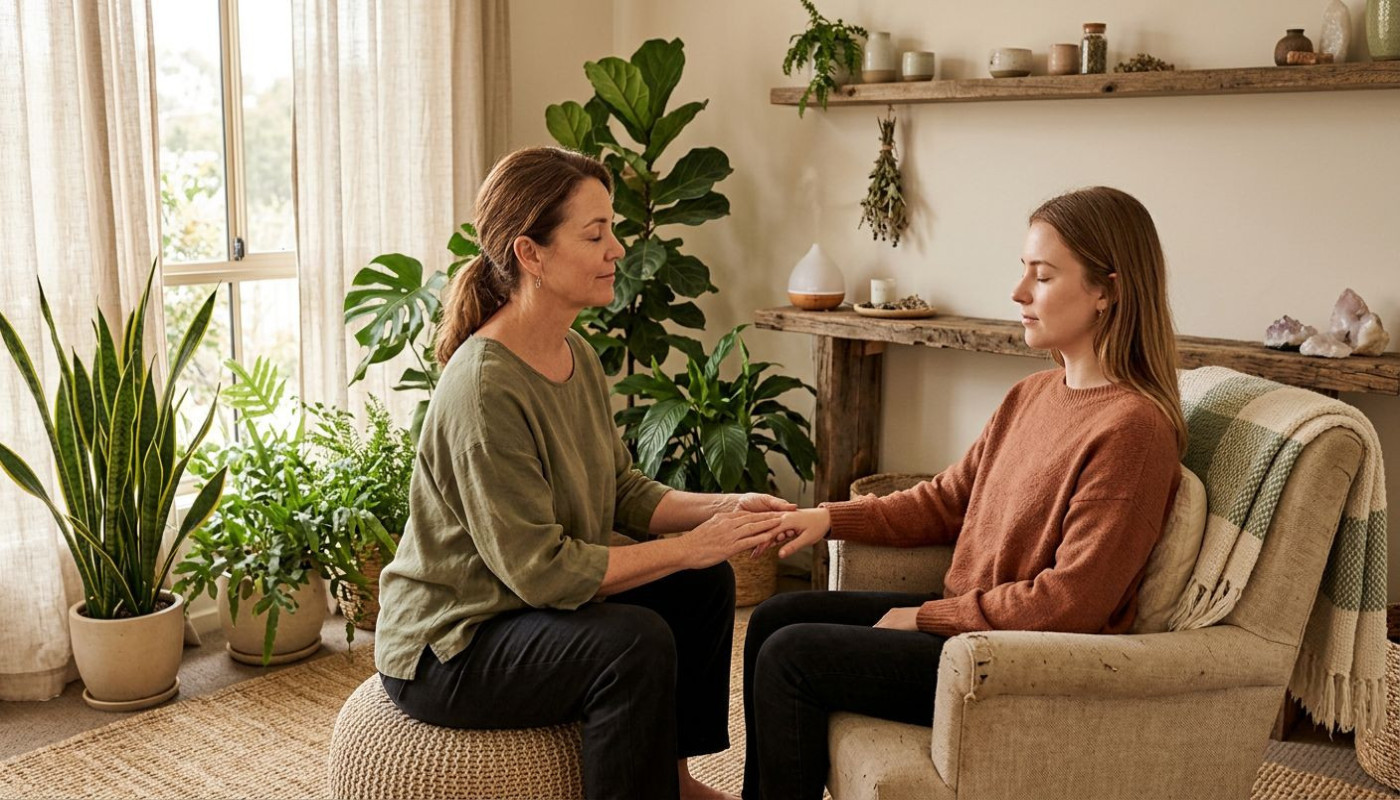
Case Studies On The Impact Of Medical Intuitives On Patient Recovery
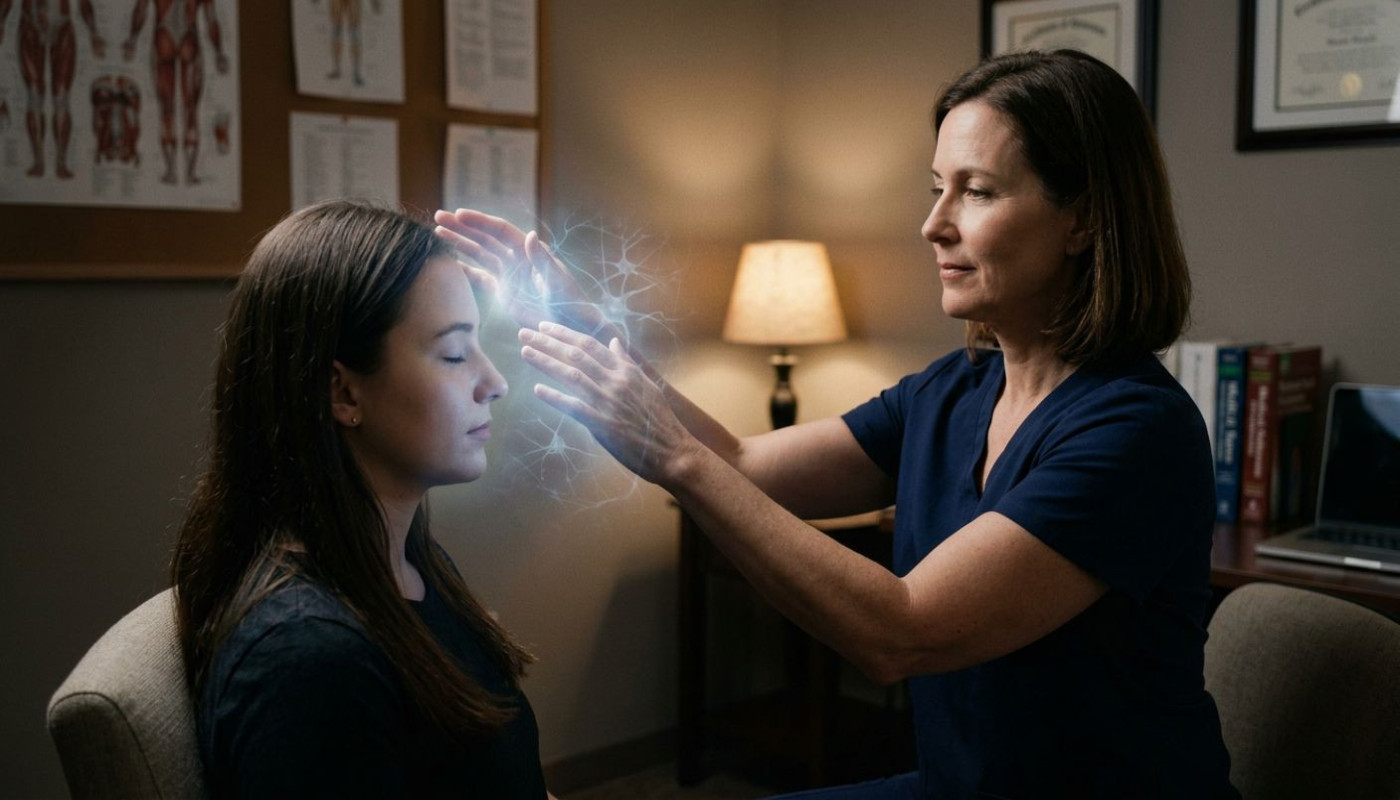
The Science Behind The Effectiveness Of Medical Intuitives

Exploring The Role Of Medical Intuitives In Holistic Health Practices
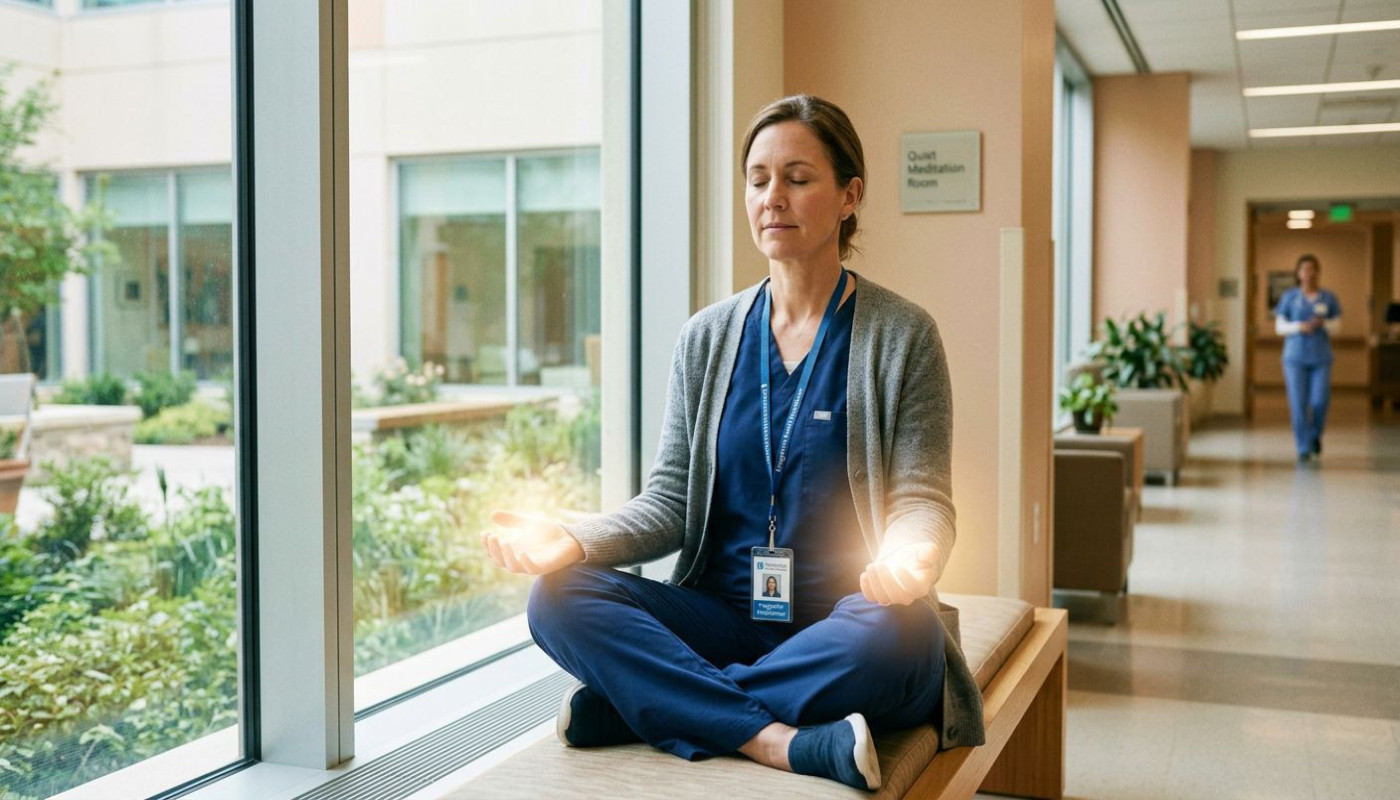
How Can Medical Intuitives Complement Traditional Healthcare?

How Medical Intuitives Are Shaping The Future Of Holistic Health Care
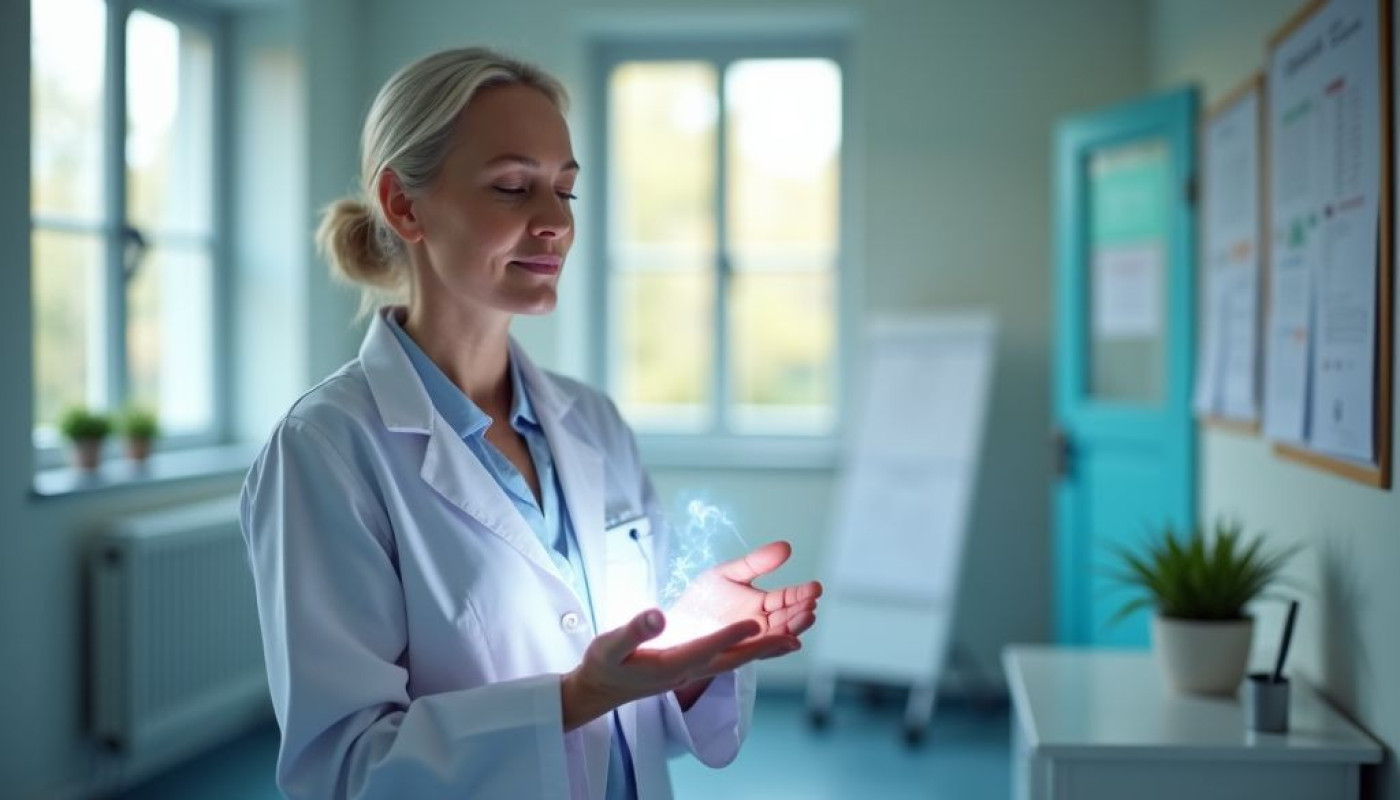
Exploring The Role Of Medical Intuitives In Enhancing Traditional Healthcare
How Medical Intuitives Contribute To Holistic Treatment Approaches

Exploring The Rise Of Medical Intuitives In Modern Healthcare

Exploring The Role Of Medical Intuitives In Modern Healthcare

Understanding The Training And Skills Behind Effective Medical Intuitives

Exploring The Ethical Boundaries Of Cheating Wife Investigations

Exploring the Mysteries of the Deep Sea
