
Table of contents
Journey into the intriguing world of medical intuitives, a realm where intuition meets integrative health. Many individuals seek answers beyond conventional diagnostics, searching for a deeper connection between mind, body, and spirit. Uncover how medical intuitives bridge unseen gaps in holistic health, sparking curiosity about complementary healing possibilities that await discovery in the following sections.
The origins of medical intuitive practice
Tracing its roots to ancient healing traditions, medical intuitive practice has developed through a blend of energy medicine, clairvoyance, and spiritual healing philosophies. Cultures across the globe have long valued individuals who claimed the ability to sense imbalances in the human body, often relying on subtle cues, energetic shifts, or extrasensory perceptions. These early practitioners were considered bridges between the physical and non-physical realms, utilizing intuitive insights to guide their healing interventions. Over time, the foundational principles behind these practices—such as reading the body's energy fields or interpreting symbolic messages—became intertwined with formalized modalities, setting the stage for a distinctive approach to wellness that emphasizes the connection between mind, body, and spirit.
As holistic health practices advanced, medical intuitives adapted by integrating their methods into broader frameworks of integrative medicine. In contemporary settings, these practitioners often collaborate with conventional healthcare providers, offering insights that complement diagnostic tools and conventional therapies. This evolution reflects a growing appreciation for multifaceted approaches to health, where the subjective experiences and intuitive perceptions of clients are valued alongside scientific assessment. For those seeking individualized guidance, platforms like https://www.medical-intuitive.org provide access to practitioners specializing in “medical intuitive near me, medical intuitive spokane, intuitive washington dc,” making it easier for clients to discover tailored support in their local area while embracing a time-honored tradition that continues to evolve.
How medical intuitives assess clients
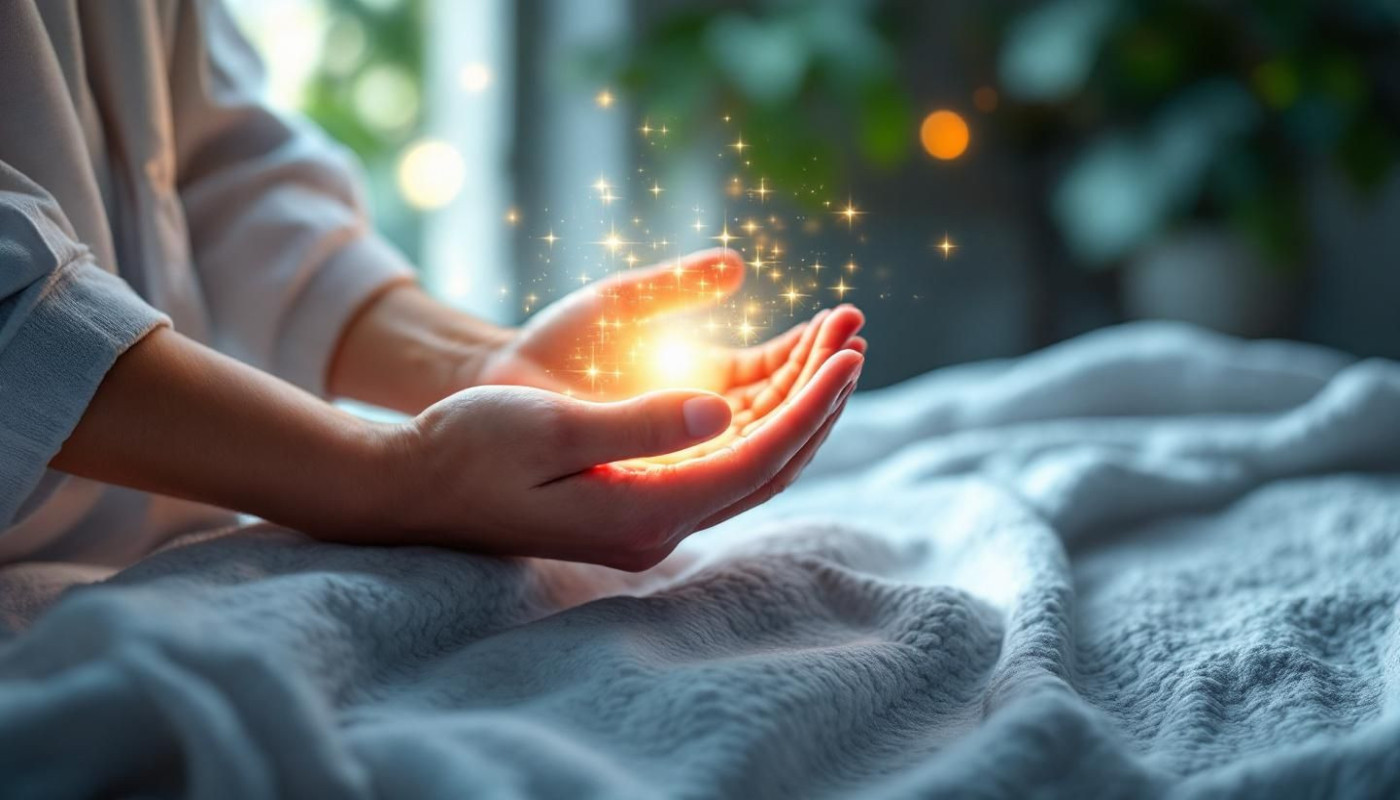
Medical intuitives approach client assessment from a perspective that goes beyond conventional medical tests, relying on techniques such as intuitive scanning, energetic mapping, and vibrational analysis. During intuitive scanning, practitioners focus their attention on a client’s body—often with their eyes closed or through meditative focus—to perceive disruptions or patterns within the body’s energetic field. Energetic mapping involves visualizing or sensing areas of stagnation, depletion, or hyperactivity in the client’s biofield, which is thought to surround and penetrate the physical form. Vibrational analysis draws on the concept that every organ, tissue, and system emits a unique energetic frequency; by attuning themselves to these vibrations, medical intuitives claim to detect irregularities that may signal imbalances or underlying issues before physical symptoms appear.
Unlike traditional diagnostics, which depend on lab results or imaging technology, the methods used by medical intuitives are rooted in subjective perception, trained intuition, and the interpretation of subtle energetic cues. Tools may include guided visualization, pendulums, or hands-off energy sensing, though the practitioner’s own intuition remains central. When communicating with clients, these practitioners often describe their findings in metaphorical or symbolic language, translating energetic disturbances into narratives or imagery that clients can relate to their physical or emotional experiences. This approach invites clients to participate actively in their healing journey, fostering self-awareness and empowering them to explore underlying factors that may contribute to their wellbeing. While not a replacement for conventional medicine, this unique lens offers a complementary avenue for understanding health and fostering holistic balance.
The place of medical intuitives in integrative care
Medical intuitives often work alongside a diverse array of holistic health professionals, including naturopaths, acupuncturists, and functional medicine practitioners. By contributing intuitive insights into clients' physical, emotional, and energetic well-being, they add a unique dimension to the assessment and care process. This collaborative approach encourages open communication among practitioners, making it more likely for clients to receive recommendations that consider both conventional diagnostics and subtle, non-physical factors that may influence health outcomes. For example, an acupuncturist might focus on energy meridians, while a medical intuitive could identify emotional patterns or underlying beliefs that impede healing, creating a more nuanced understanding of the client's condition.
The value of multidisciplinary collaboration becomes particularly apparent when addressing complex or chronic illnesses. By weaving together the perspectives of different practitioners, clients are provided with a layered wellness plan that targets multiple root causes and supports sustainable change. A functional medicine practitioner may address biochemical imbalances, while the medical intuitive highlights lifestyle choices or stressors that require attention, enabling a more tailored and responsive care strategy. Ultimately, the synergy between medical intuitives and other holistic experts broadens the scope of options for clients, empowering them to become active participants in their own healing journey and fostering a culture of shared expertise within the wellness community.
Benefits and limitations of intuitive healing
Medical intuitives can offer clients highly personalized insights that often go beyond traditional diagnostic methods. By tapping into subtle cues, they may help identify patterns in lifestyle, emotional states, or environmental factors that could contribute to discomfort or chronic conditions. Individuals frequently seek out medical intuitives for their ability to provide emotional reassurance and offer perspectives on the psychosomatic roots of illness, which can foster a greater sense of agency in the healing process. For those feeling unheard or misunderstood in conventional healthcare settings, this approach can serve as a complementary form of support, encouraging proactive self-care and improved mind-body awareness.
Nonetheless, intuitive healing comes with distinct limitations. Clients must recognize that findings from medical intuitives are often derived from subjective impressions, which means accuracy can vary widely and outcomes may not be consistently reproducible. The lack of peer-reviewed studies and empirical validation has led many professionals to caution that intuitive strategies should not replace evidence-based medical care, especially in cases of serious or life-threatening conditions. The integration of medical intuitive insights works best when clients use them as supplemental guidance—sparking new questions to explore with licensed practitioners or supporting emotional resilience during recovery. An informed, discerning approach allows individuals to benefit from the unique strengths of medical intuition while safeguarding their well-being through established medical science.
Future perspectives in medical intuition
The landscape of medical intuition is being reshaped by advancements in fields like bioenergetics, neuroimaging, and quantum healing theories. As scientists delve deeper into the body’s energetic fields and the mind-body connection, the possibility emerges for more measurable and visual evidence of intuitive phenomena. For example, neuroimaging technologies such as fMRI and EEG are beginning to correlate subjective intuitive experiences with specific patterns of brain activity, while bioenergetic research explores how subtle energy fields may impact health and wellness. Quantum healing theories, once on the fringe, are now prompting researchers and practitioners to re-examine the ways energy and intention influence biological processes, offering new frameworks for understanding the mechanisms behind intuitive insights.
Ongoing research is also fueling a shift in public perception and professional acceptance of medical intuits. Increased interest from both healthcare providers and the general population has led to more rigorous studies, further validating anecdotal reports and traditional practices. In parallel, the integration of digital health tools—such as wearable sensors and health-tracking apps—provides practitioners with objective data to supplement intuitive assessments. This convergence allows for a more comprehensive evaluation of patient well-being, bridging the gap between empirical science and intuitive insight. As biofeedback and artificial intelligence become more sophisticated, there is the potential for real-time analysis of physiological signals that could augment the intuitive process.
Looking forward, these innovations may significantly elevate the status and utility of medical intuition within holistic health care. By embracing emerging technologies and interdisciplinary collaboration, practitioners can demonstrate reliability and reproducibility, making intuitive guidance more accessible and actionable. The widespread adoption of telemedicine and digital diagnostics further enables medical intuits to reach broader, more diverse populations, while also standardizing methods and outcomes. As research continues to clarify the interplay between intuition, consciousness, and measurable health indicators, the future may hold a greater integration of intuitive practices into mainstream models, offering new possibilities for personalized and preventative care.
On the same subject

How Legal Defense Strategies Adapt Under Political Persecution Pressure
Case Studies On The Impact Of Medical Intuitives On Patient Recovery
The Science Behind The Effectiveness Of Medical Intuitives
How Can Medical Intuitives Complement Traditional Healthcare?

How Medical Intuitives Are Shaping The Future Of Holistic Health Care
Exploring The Role Of Medical Intuitives In Enhancing Traditional Healthcare
How Medical Intuitives Contribute To Holistic Treatment Approaches

Exploring The Rise Of Medical Intuitives In Modern Healthcare

Exploring The Role Of Medical Intuitives In Modern Healthcare

Exploring How Medical Intuitives Contribute To Holistic Health Practices

Understanding The Training And Skills Behind Effective Medical Intuitives

Exploring The Ethical Boundaries Of Cheating Wife Investigations

Exploring the Mysteries of the Deep Sea
